Bitumen
Weekly Bitumen Report: Ceasefire Continues, the Strait of Hormuz Remains Closed, and Bitumen Prices Stay Elevated
Political Phase As of 16 April 2026, the two-week ceasefire between Iran, the United States, and Israel has not yet been formally extended, but the diplomatic channel remains open and efforts to continue it are still underway. Current signals suggest that the next round of indirect Iran-US talks may once again take place in Pakistan,...

Political Phase
As of 16 April 2026, the two-week ceasefire between Iran, the United States, and Israel has not yet been formally extended, but the diplomatic channel remains open and efforts to continue it are still underway. Current signals suggest that the next round of indirect Iran-US talks may once again take place in Pakistan, which continues to play the role of the main mediator. In the same environment, Israel-Lebanon discussions have also moved into a ceasefire review phase, but they have not yet reached a final result. For that reason, the regional market still sees the ceasefire as a diplomatic pause, not the end of the Middle East crisis.
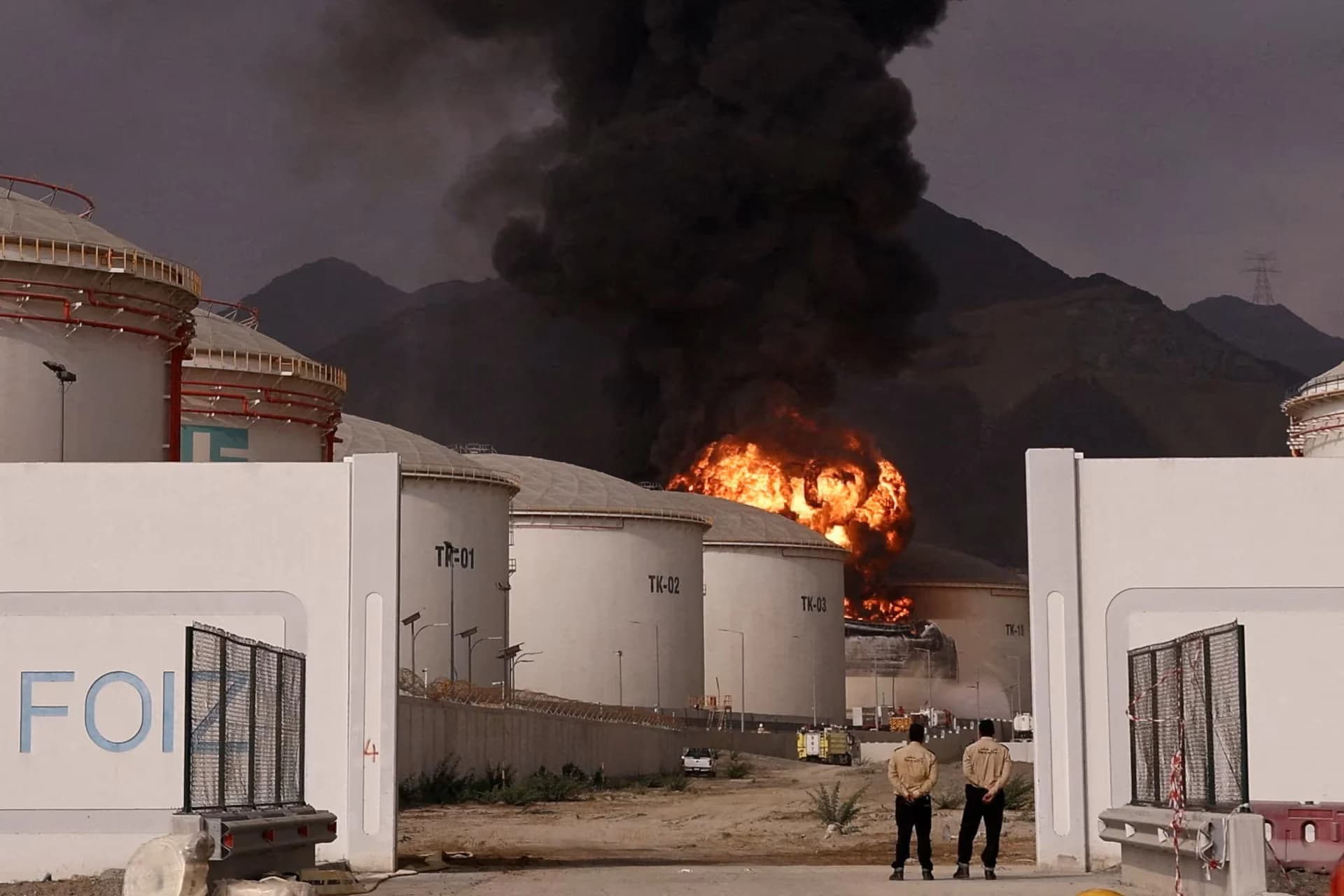
Regarding the Strait of Hormuz, the picture remains unclear. After the ceasefire, limited passage for some vessels became possible, and Iran even proposed a safe transit arrangement from the Omani side. But the market still does not treat this as a full reopening of the Strait of Hormuz. At the same time, the United States appears to be focusing more on naval pressure and restrictions around Iranian ports rather than directly closing the entire Strait of Hormuz. Even so, this has kept vessel movement, insurance, and shipowner decisions under continued pressure, meaning Strait of Hormuz shipping risk is still a major factor in the market.
Crude Oil Prices, Financial Markets, and Bitumen Prices
Over the past week, Brent Crude Oil Prices moved in a range of around $90 to $99 per barrel, and by 16 April, Brent was trading near $95 per barrel. The initial decline came mainly from optimism around the ceasefire and expectations of another round of talks. But crude oil prices later recovered because the core risks have not been removed: the Strait of Hormuz is still not fully normal, US naval pressure remains in place, and the final outcome of the negotiations is still uncertain. In US financial markets, sentiment improved, and Wall Street returned to record highs on hopes that the ceasefire may continue and that energy risk may ease further.
Global Outlook on Bitumen Markets
In the bitumen market, the overall direction still remains firm and cautious. The latest Bitumen Prices show Singapore bitumen at around $684–695 per ton and South Korea bitumen at around $576–586 per ton. In other words, despite the ceasefire headlines, the Asian bitumen market is still trading at elevated levels, and tighter supply has prevented any meaningful pullback. In China, demand remains cautious and limited mostly to essential buying.
India: The Largest Cumulative Increase Within One Month
In India, the market remains active, and after the first increase in early April, prices were raised again from 16 April. As a result, the total of the two consecutive increases has reached around $266 per ton for VG30 and around $300 per ton for VG40. This is one of the strongest signals for the regional market this week, because it shows that India bitumen prices remain under upward pressure and that the Indian market is not expecting a rapid decline.
Bitumen Holds Firm in Europe at High Levels
In Europe, the overall bitumen price structure also remains high, with export levels mostly moving in a range of around $600 to $630 per ton. For example, Italy, Spain, and Greece are close to $600, while Rotterdam is near $630. Altogether, these signals show that the global bitumen market is still moving on the logic of limited supply, cautious buying, and elevated prices.
Iran and Real Execution Risk
In Iran, the issue is still not only price. The latest weekly assessment shows that even with the ceasefire in place, Iranian exports have still not been able to regain buyer attention in the same way as before. For a professional customer, the real risk today is more about actual execution: vessel conditions, port operations, and passage through the Strait of Hormuz have still not fully returned to normal. That is why a lower quoted price alone is not a real advantage. The market is now paying more attention to who can actually manage the shipping plan, operational access, and final delivery.
Razieh Gilani from Infinity Galaxy:
In conditions like these, what matters is not only who sends a quotation quickly. What matters is who gives the right price, who is credible, and who remains truly available and responsive when conditions become more complicated. These days, many sellers can put a number on paper, but not all of them can turn that same number into real cargo and real delivery. In this kind of market, a professional buyer needs more than ever to distinguish between an “attractive offer” and an “executable offer.”
At Infinity Galaxy, our value is not only in staying informed. It is in watching the market every day, understanding the situation as it really is, and standing beside the customer when a real decision has to be made.
Comments
Share your thoughts...
More Reports
Curious to see more, discover more articles, and stay up-to-date?