Bitumen
Weekly Bitumen Report: Brent Oil Price Falls Below $100, but the Strait of Hormuz Still Holds the Bitumen Market
Political Phase This week, the market moved with a clear contradiction. On one side, limited attacks between the U.S. and Iran returned to the headlines, but both sides avoided presenting them as a full collapse of the ceasefire. Washington described its new strikes on Iranian targets and drones near the Strait of Hormuz as defensive,...

Political Phase
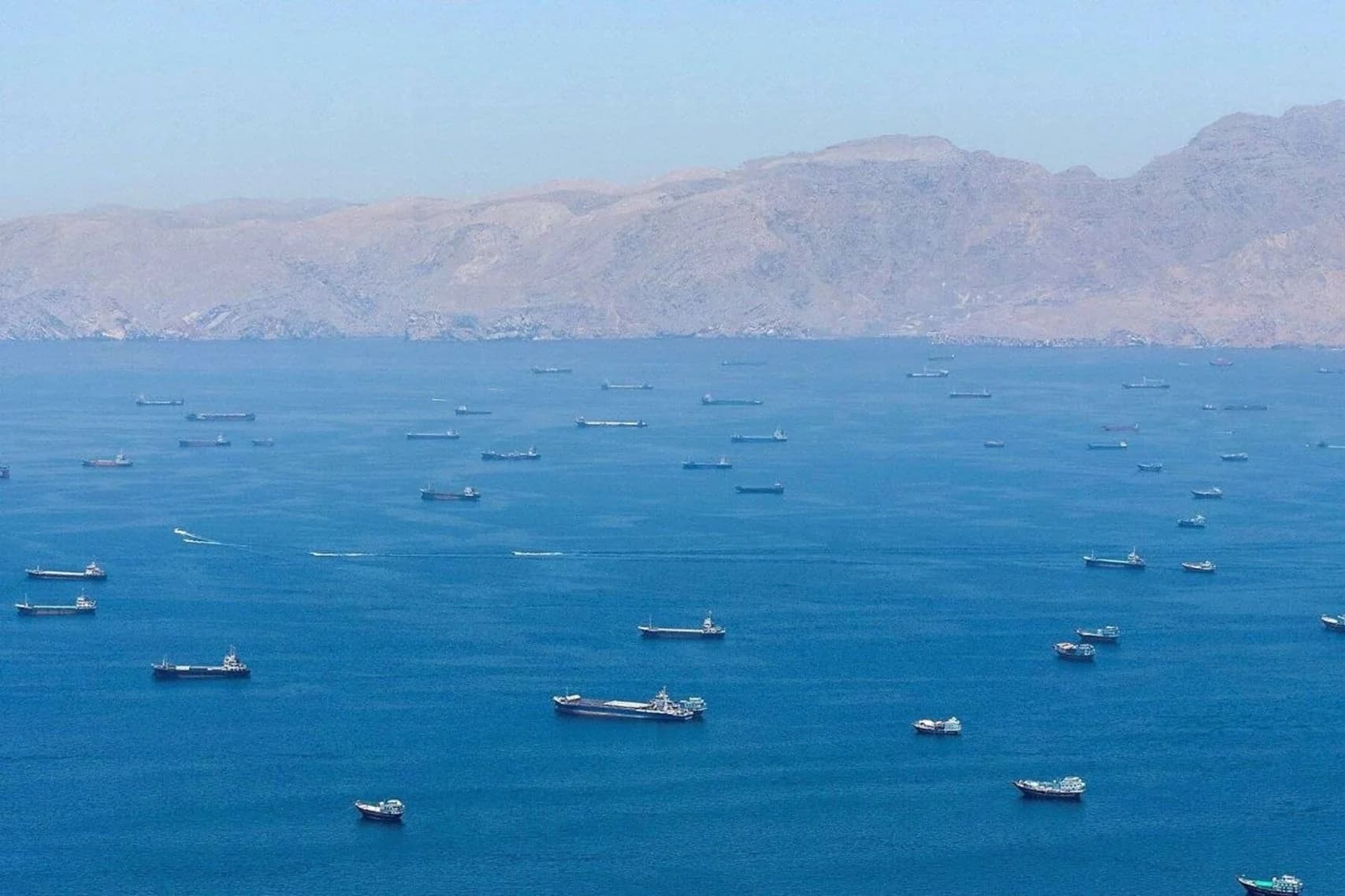
This week, the market moved with a clear contradiction. On one side, limited attacks between the U.S. and Iran returned to the headlines, but both sides avoided presenting them as a full collapse of the ceasefire. Washington described its new strikes on Iranian targets and drones near the Strait of Hormuz as defensive, while Tehran called them a violation of the ceasefire. At the same time, the negotiation channel through Pakistan remains open. That is why the market has not entered a calm phase, but has also not fully returned to the shock phase of war. The Strait of Hormuz remains the main uncertainty. A few commercial vessels have passed through, but for the global market, the route is still not normal or fully reliable.
Middle East, Shipping Blockage, and Market Risk
At the regional level, the main story is not that the war is over. The real story is that crisis control is still fragile. Market reports show that transit through the Strait of Hormuz remains limited, costly, and exposed to high insurance risk, inspections, and delays. At the same time, new movements in the Persian Gulf pushed Asian equity markets lower and made oil react higher again, although not with the same intensity seen during the peak crisis weeks. This means traders still see risk, but they have not fully removed the possibility of a diplomatic path.
Brent Oil Price
Brent Oil Price moved below $100 after several weeks, as the market began pricing in the possibility of an agreement, a gradual reopening of the Strait of Hormuz, and a partial easing of the naval blockade. But the decline was not stable or clean. After renewed attacks and concerns over a possible failure in negotiations, Brent returned to around $97 to $98, while volatility remained high. The simple conclusion is this: oil has moved away from the panic phase above $100, but it has not returned to a normal market yet.
Fuel Oil and Bitumen in Asia
In the oil products market, the latest Platts assessments show Singapore 180 CST Fuel Oil trading around $635 per ton and Persian Gulf 180 CST Fuel Oil around $585 per ton. This means fuel oil has pulled back from the more tense weeks, but it is still not cheap or normal. Singapore Bitumen Price traded around $550 per ton, while South Korea bitumen was around $529 to $538 per ton. In China, prices moved slightly higher, but demand is still under pressure from the rainy season, tight liquidity, and buying limited mostly to urgent needs.
India, Europe, and the Bitumen Price Direction
In India, the market is still at a high level, but it is no longer in the panic-buying phase. Latest market reports show domestic Indian bitumen prices around $780 to $843 per ton, while Platts assessed West India imports around $650 to $655 per ton and East India around $675 to $685 per ton. In simple terms, India has not become cheap; it has only moved from shock pricing into controlled adjustment. In Europe, bitumen prices are mainly in the range of around $644 to $673 per ton. The Mediterranean has softened slightly, but Rotterdam and Baltic prices remain high, and the European market is still affected by tight supply and elevated feedstock costs.
Iran Bitumen Market
In Iran, the main problem is still real export execution, not only the price number. Iranian export activity remains weak because maritime disruption has limited access to vessels, reduced buyer interest, and created inventory pressure for suppliers. Iran packed bitumen prices have not changed significantly compared with the past few weeks, but without a clear shipping route, vessel availability, and practical passage through the Strait of Hormuz, the price alone has limited meaning. For a professional buyer, the main question is clear: is this price actually shippable and deliverable, or is it only presentable on paper?
Market Summary
The bitumen market has now moved from the sudden price-jump phase into a more calculated phase. Buyers are no longer looking only for the lowest price. They are looking for a price backed by real shipping, responsiveness, timing, and manageable risk. Singapore and South Korea have moved slightly higher, China remains cautious, India has become calmer, Europe is still holding high levels, and Iran continues to face execution risk. The market may look calmer on the surface, but it has not become simple.
Razieh Gilani from Infinity Galaxy
In a market like this, giving a price alone is not the skill. The real skill is knowing which price is still executable and which price is only being used to attract the customer’s attention. When the Strait of Hormuz, oil, fuel oil, vessels, and insurance create a new condition every day, the customer does not need just a number. The customer needs a supplier who tells the reality, stays available, and stands beside the decision if conditions change. Today, credibility is built where price, execution, and responsiveness move in the same direction.

Comments
Share your thoughts...
More Reports
Curious to see more, discover more articles, and stay up-to-date?