Bitumen
Sources of Bitumen: Where Does Bitumen Come From?
Bitumen forms two ways: naturally, in deposits like Trinidad's Pitch Lake and Gilsonite veins, or artificially, through crude oil refining. Here's how each source works.

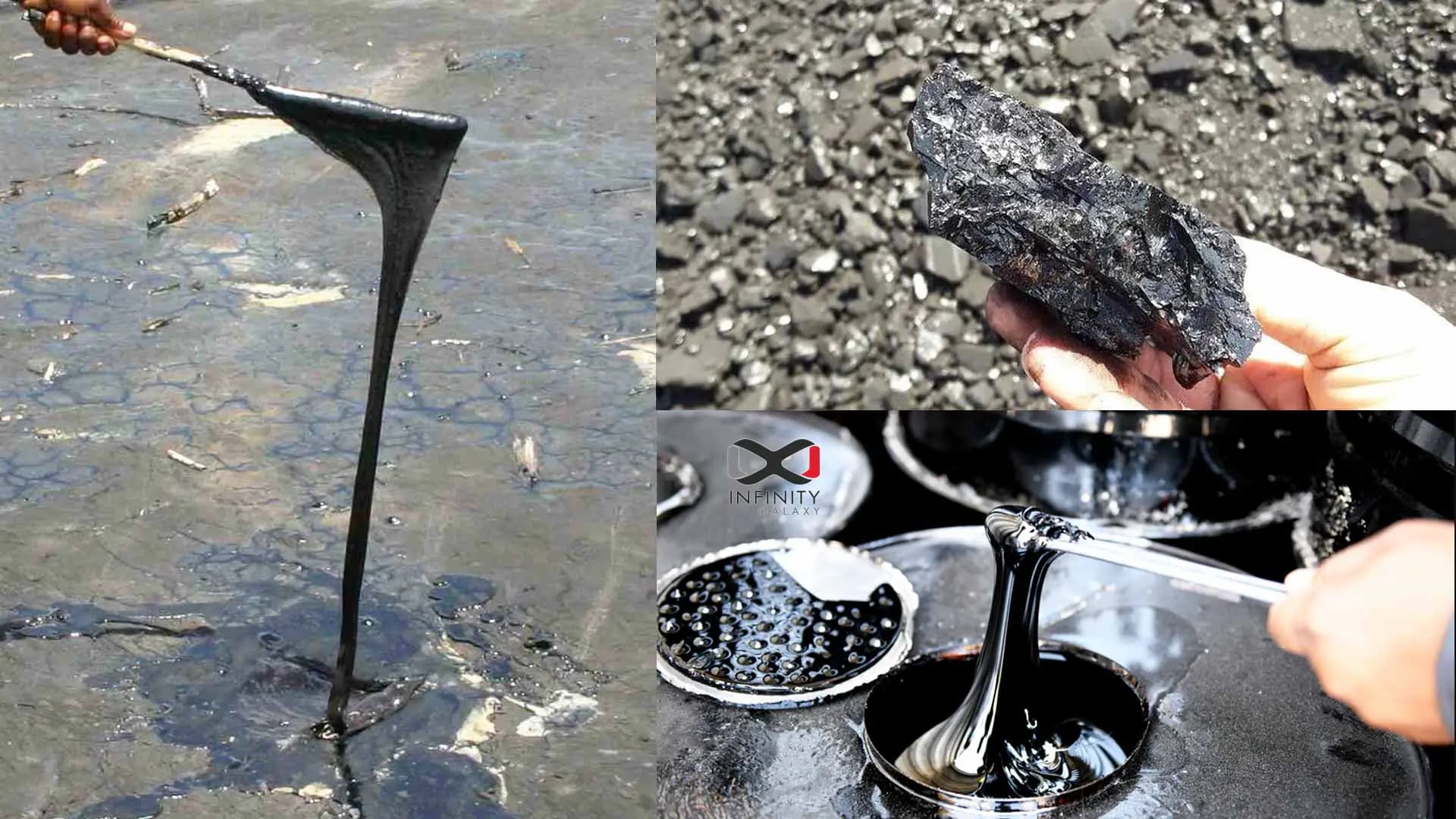
Bitumen comes from two sources:
- Refinery bitumen
- Natural bitumen
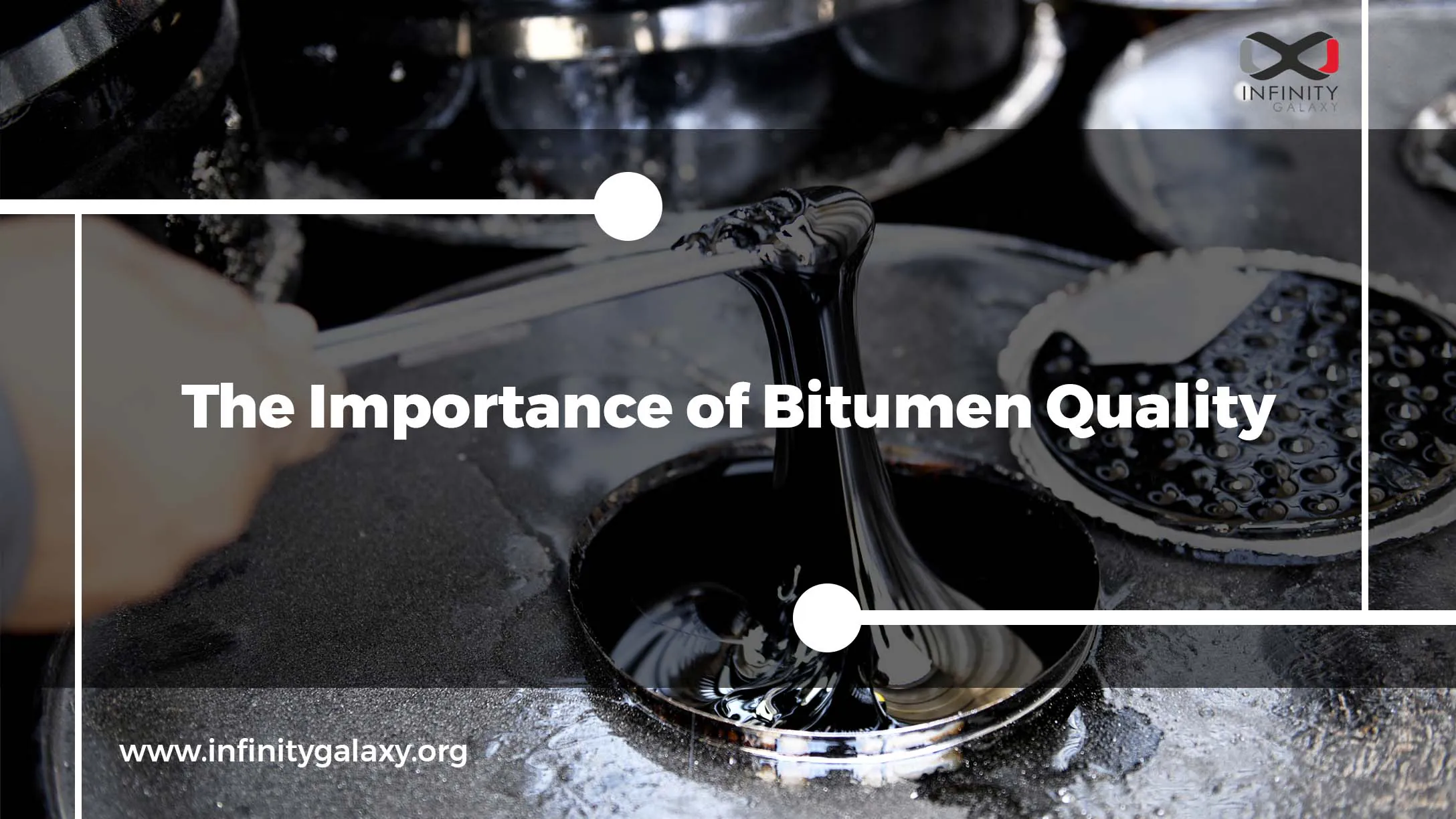
Refinery bitumen is made in oil refineries. Natural bitumen forms in the ground, or is found in natural lakes.
Most bitumen used today is refinery bitumen. But natural bitumen still exists in a few places on Earth.
Read more details about these bitumen sources in the below.
Refinery Bitumen: How It's Made From Crude Oil
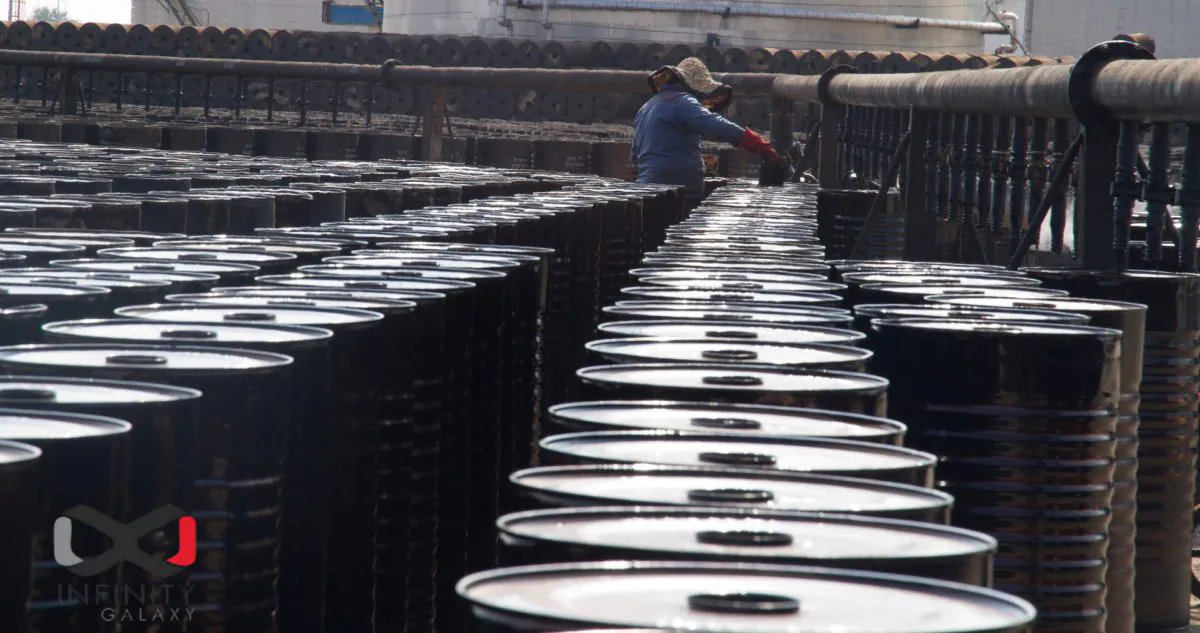
Most bitumen today does not come from nature. It comes from oil refineries. Refineries heat crude oil in a tall tower. This separates the oil into different parts.
The heaviest part is called vacuum bottom. This becomes the base for bitumen. Hot air is then blown through it. This changes it into bitumen.
Want the full process? Read our guide: Bitumen Production Process.
Natural Bitumen: How It Forms in the Earth
Natural bitumen comes from petroleum. Petroleum formed from organic material that was buried under the ground millions of years ago. Over a very long time, heat and pressure changed this material and formed oil.
Over time, some of this oil moved through rocks and came closer to the surface. There, the oil was exposed to water, air, and natural bacteria. The lighter parts of the oil were slowly removed or changed.
What remained was much heavier and thicker oil. In some places, this material became natural bitumen. This is why natural bitumen is often found close to the surface or mixed with sand and other rocks.
Natural bitumen does not look the same in every place. In Canada, it is found mixed with sand and clay. In Utah, it can be found as a hard black material called Gilsonite. In Trinidad and Venezuela, it forms large natural asphalt lakes.
Where Is Natural Bitumen Found?
Natural bitumen is rare. It only exists in a few places in the world.
| Location | Type | Key Facts |
|---|---|---|
| Pitch Lake, Trinidad & Tobago | Lake bitumen | The largest natural asphalt lake in the world. About 41 hectares. Up to 76 meters deep. |
| Lake Bermudez, Venezuela | Lake bitumen | The second major natural asphalt lake in the world. |
| Athabasca Oil Sands, Canada | Oil sands | Bitumen mixed with sand, clay, water, and other minerals. The largest known bitumen reserve on Earth. |
| Uinta Basin, Utah, USA | Gilsonite | The main source of Gilsonite in the world. |
| Dead Sea, Jordan/Israel | Historical seepage | Natural asphalt and bitumen deposits.Known since ancient times for natural bitumen on its surface. |
Gilsonite (Solid Natural Bitumen)
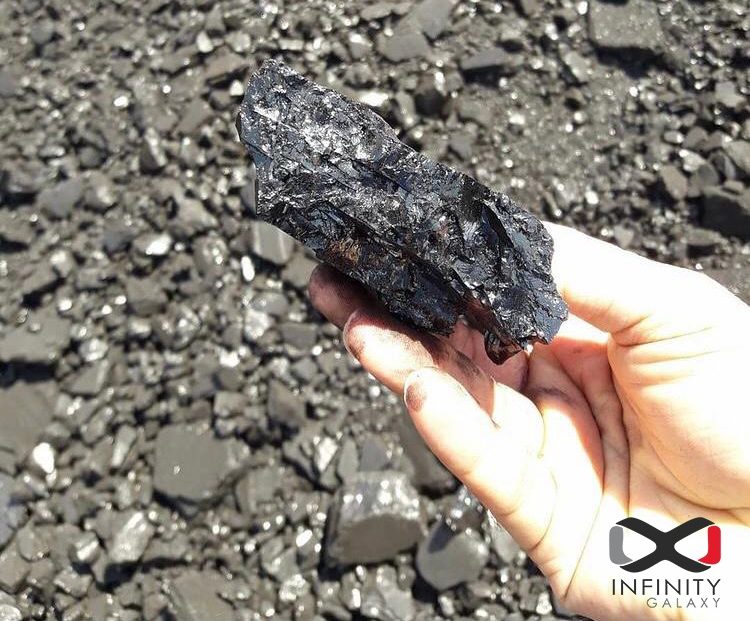
Gilsonite is a solid form of natural bitumen. It looks like black, shiny rock.
Most Gilsonite comes from the Uinta Basin in Utah, USA. Workers mine it, much like coal.
This type of bitumen compared to refinery bitumen has high asphaltene and nitrogen contents and it is more soluble in organic solvents like methanol and acetone.
Complete details are stated in the page Gilsonite or Natural Bitumen.
Lake Bitumen
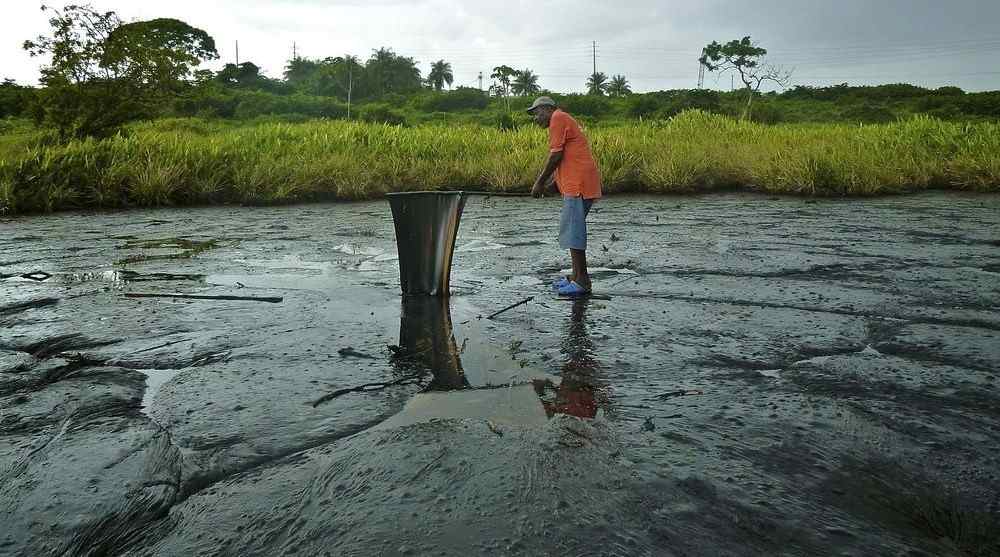
The most famous lake bitumen is Pitch Lake, in Trinidad and Tobago.
It covers about 41 hectares. It is up to 76 meters deep.
The lake holds an estimated 10 million tons of natural asphalt. People have known about it since 1595.
The material in Pitch Lake is not pure bitumen. It contains bitumen, water, gas, sand, and clay. The lake has been used as a source of asphalt for commercial purposes since the 19th century.
Natural vs. Refinery Bitumen: Key Differences
Both types come from petroleum, but they reach their final form in different ways.
| Aspect | Natural Bitumen | Refinery Bitumen |
|---|---|---|
| Source | Forms in the ground over time | Made from crude oil in a refinery |
| Availability | Found in only a few places | Made in refineries worldwide |
| Typical form | Solid (Gilsonite) or thick liquid (lake bitumen) | Made in standard grades |
| Common uses | Inks, paints, drilling fluids | Roads, roofing, waterproofing |
We will be happy to read your comments. If you have any question or you would like to share your opinion, please drop a line in the comment section.
Frequently Asked Questions
Is bitumen natural or man-made?
Both. Bitumen can form naturally in a few places, but most bitumen today comes from oil refineries.
Where is natural bitumen found?
The biggest sources are Pitch Lake in Trinidad, the Athabasca Oil Sands in Canada, and Gilsonite in Utah, USA.
What is the difference between Gilsonite and Lake bitumen?
Gilsonite is solid, while Lake bitumen is a thick liquid. Both are natural bitumen.
Where does most bitumen come from today?
Almost all bitumen today comes from oil refineries, not nature.
Comments
Share your thoughts...
Latest
From the blog
Curious to see more, discover more articles, and stay up-to-date?