Bitumen
Weekly Bitumen Report: Brent Oil Near $100, While the Hormuz Strait Still Holds Bitumen Prices Under Pressure
Political Phase The first week of June moved forward with mixed political signals. Trump spoke about the fast continuation of talks with Iran, but at the same time, U.S. military and naval pressure continued. Iran also raised the suspension of part of the message exchange after Israel’s attack on Lebanon, which again increased the possibility...

Political Phase
The first week of June moved forward with mixed political signals. Trump spoke about the fast continuation of talks with Iran, but at the same time, U.S. military and naval pressure continued. Iran also raised the suspension of part of the message exchange after Israel’s attack on Lebanon, which again increased the possibility of tougher passage through the Hormuz Strait. In the same environment, the tense Trump-Netanyahu call showed that the gap between continuing the war and moving toward an agreement is still serious. In simple terms, the diplomatic path is open, but it is not reliable yet.
The Persian Gulf and the Hormuz Strait
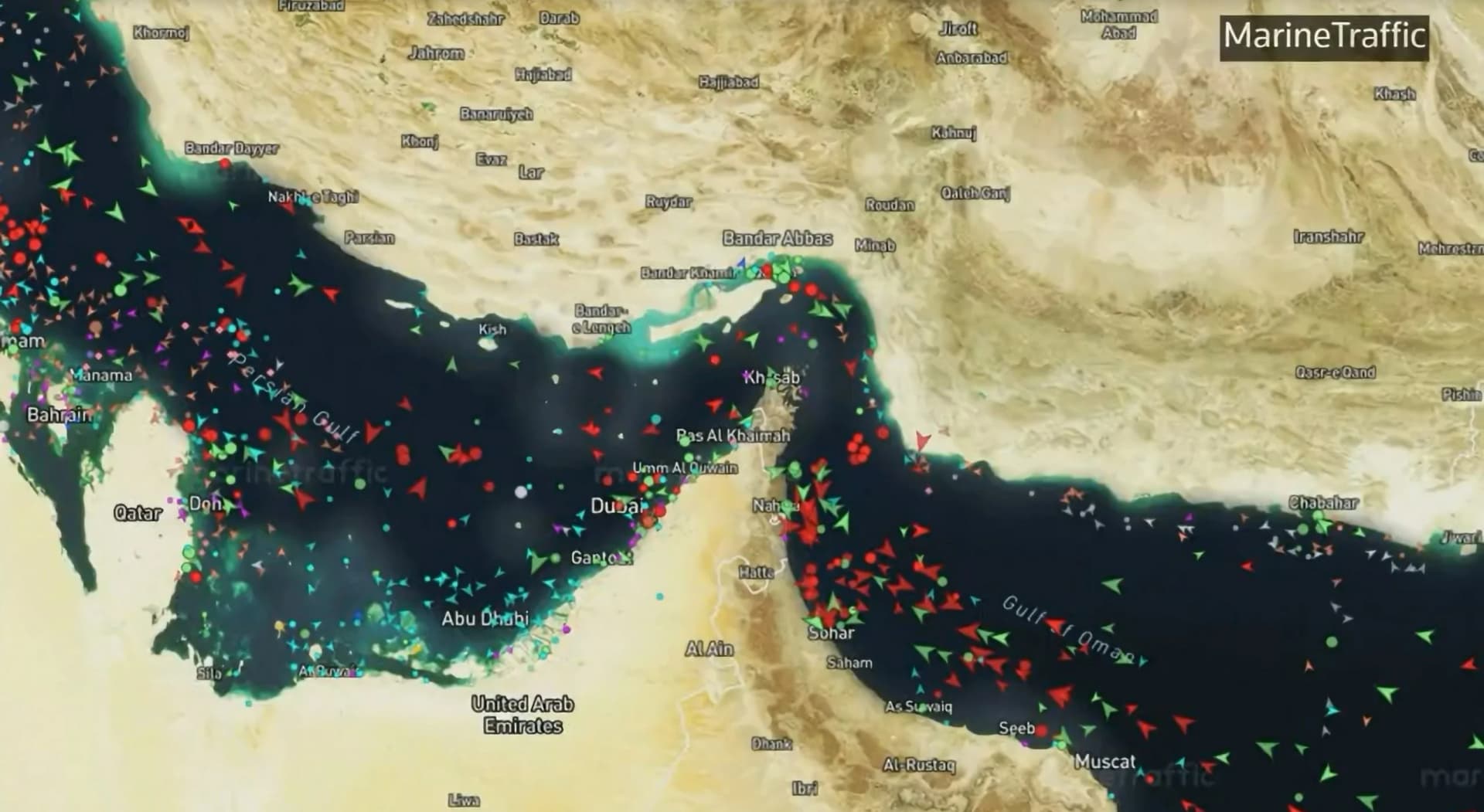
In the Middle East, operational risk has not come down yet. Reports pointed to a U.S. attack on an oil tanker heading toward Iran, attacks around Qeshm, and Iranian attacks on Kuwait, as well as an attempted targeting of Bahrain. Kuwait reported damage to its airport and U.S. bases, while Washington described part of its actions as defensive. At the same time, although a limited number of vessels have passed through the Hormuz Strait, hundreds of ships and thousands of seafarers are still stuck in the Persian Gulf, and the global market still does not see the Hormuz Strait as a fully open and normal route.
Why Did Brent Oil Stay Below $100?
Brent Oil Price stayed below $100 this week because the market priced in the possibility of an agreement, a ceasefire extension, and a gradual reopening of the Hormuz Strait more seriously than in previous weeks. But a full collapse in oil prices did not happen, because new attacks, the partial halt in negotiations, high insurance risk in the region, and maritime shipping problems are still in place. The simple market reading this week was clear: fear has eased, but risk has not disappeared. That is why oil moved lower, but it has not entered a calm phase.
Fuel Oil and Bitumen in Asia
In the products market, the latest international data shows Singapore 180 CST fuel oil at around $646 per ton and Persian Gulf 180 CST fuel oil at around $599 per ton, meaning prices have moved slightly higher again compared with previous levels. Singapore bitumen was seen around $555 per ton in the daily assessment, while South Korea bitumen was around $490 per ton. In China, East China prices moved higher again; however, buying is still not strong because rain, cash-flow pressure, and buyer caution are preventing a strong demand wave from forming.
India, Europe, and Bitumen Price Direction
In India, the market is still at a high level, but the latest signal shows that it has entered a limited adjustment phase. Indian refiners reduced bitumen prices by around $11 per ton from 1 June. The broader trend in India throughout May was not that bitumen became cheap; it simply moved away from the sharp price-hike phase. In Europe, export prices dropped sharply in the last week of May, with the main market range moving from around $594 per ton in the Mediterranean to around $625 per ton in Rotterdam. Still, limited supply and feedstock costs do not allow the European market to be viewed as fully weak.
Iran Bitumen Market
In Iran, as during the whole war period, the main issue is still not price; it is real export execution. Export activity remains very weak because maritime disruption, limited vessel availability, and the practical closure of the Hormuz Strait continue to restrict trade. Some prices may look attractive on paper, but for a professional buyer, the real question is whether the cargo can actually be shipped, or whether the number is only being used to start a negotiation.
Market Summary
The bitumen market has entered a more alert phase. Oil is no longer staying above $100 like in previous weeks, but bitumen is still not trading under normal logic. Singapore and South Korea are moving between correction and supply limitation, China remains cautious, India has made a limited price cut, Europe has pulled back from its peak, and Iran is still facing execution risk. This is no longer only a price market; it is a market where buyers must separate real suppliers from companies that only send numbers.
Razieh Gilani from Infinity Galaxy
In a market like this, giving a price is only the beginning of the work, not the end. Today, a professional buyer must know who is only sending a number and who is ready to stand behind that number. When the Hormuz Strait, oil, fuel oil, vessels, and insurance create new conditions every day, real value is built through transparency, availability, and responsiveness. A good offer is not only the lower one; a good offer is the one that can still be executed if the market changes again.

Comments
Share your thoughts...
More Reports
Curious to see more, discover more articles, and stay up-to-date?