


Weekly Bitumen Report: War Shock in Energy Markets: Middle East Conflict Enters Third Week as Oil Hits $100
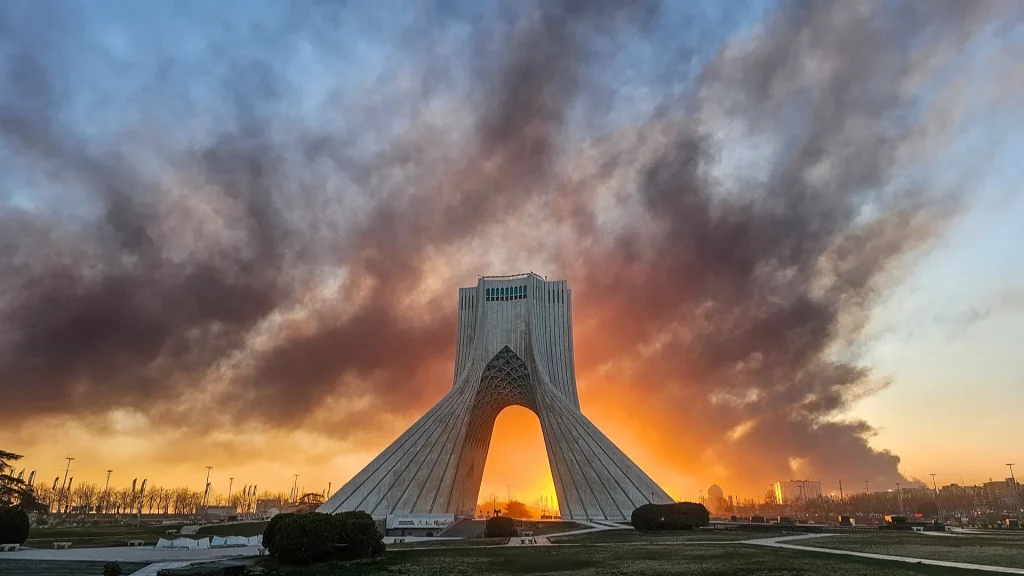
The regional war that began on 28 February has now entered its third week, and the confrontation between Iran, Israel, and the United States is gradually evolving into a broader crisis in the Middle East. Israeli and US airstrikes on targets inside Iran, followed by Iran’s missile and drone responses, have pushed tensions beyond the borders of these countries. In addition to the three main actors, several regional countries have also become directly or indirectly affected by the security environment of this crisis. In particular, some countries in the Persian Gulf have faced security threats, missile interceptions, and growing concerns about potential disruptions to energy routes. At the same time, Lebanon front near Israel has intensified, with clashes between Israel and Hezbollah escalating in southern Lebanon. In total, more than ten countries across the region are now directly or indirectly impacted by the conflict.
Amid this tense environment, the United Nations Security Council held a meeting on Wednesday, 11 March, to discuss the crisis. During the session, a resolution condemning regional attacks and calling for their cessation was introduced and adopted with an overwhelming majority of votes. Nevertheless, the broader international political environment indicates that concerns about a further expansion of the conflict in the Middle East remain high, and military as well as security developments in the region continue to be closely monitored as key drivers of global energy markets.
On Thursday, 12 March, Brent crude oil prices returned to the $100 level. A review of international market reports such as Platts Marketscan and Argus, along with an assessment of global markets from 27 February to 10 March 2026, shows that refined product markets in Asia and the Persian Gulf have reacted sharply to the escalating geopolitical tensions in the Middle East. Data analysis, also reflected in the Infinity Galaxy Energy Market Review, indicates that within less than two weeks- roughly 11 days- gasoline prices in the Singapore market increased by around 75-80%, while naphtha rose by approximately 60–65%. During the same period, kerosene and jet fuel experienced one of the strongest reactions, surging by around 90-100%, while fuel oil prices nearly doubled.
A similar trend has been observed in the Persian Gulf export market. Data analyzed by Infinity Galaxy, based on Platts and Argus reports, shows that within roughly 11 days, gasoline prices increased by about 75–80%, while naphtha rose by around 55–60%. Kerosene and jet fuel prices in the region also surged by approximately 90–100%, and fuel oil values nearly doubled during the same period. These developments demonstrate how rapidly geopolitical shocks can affect regional energy markets. As emphasized in Infinity Galaxy’s market analysis, the strongest and fastest reactions have been observed in transportation fuels and marine fuel segments.
The bitumen market is also experiencing strong shocks, with rising prices and increasing maritime freight costs. Bitumen exports from Iran are currently paused due to the conditions in the Persian Gulf, and prices continue to rise daily.
Insight by Razieh Gilani from Infinity Galaxy
In such circumstances, it is natural that everyone hopes for the end of wars around the world, especially the recent conflict involving the United States, Israel, and Iran, which has pushed both the energy and shipping markets into a period of instability. Military tensions in the Middle East, particularly around the Persian Gulf and major energy routes, have created uncertainty in maritime logistics, vessel scheduling, and access to certain ports.
In this environment, many international buyers prefer to make decisions with greater caution. If projects or supply needs are not urgent, waiting until the market situation becomes clearer may be the more reasonable option. However, in cases where immediate purchases are necessary, it is advisable to work with suppliers that have reliable supply capacity and practical market access under complex conditions. It has been also emphasized in the analytical reports of Infinity Galaxy that not only the prices, but also buyers’ assurance to receive their orders are the most important factor in critical periods.
Recent Reports


Recent Reports

Weekly Bitumen Report: The Strait of Hormuz Has Still Not Reopened, An Unprecedented Jump in India’s Bitumen Prices
 Razieh Gilani
Africa Bitumen Market Moves Higher Across All Regions as April Upside Builds
 Milad Ahmadi