


East Asia Bitumen Market Movement: From January Pause to Early February
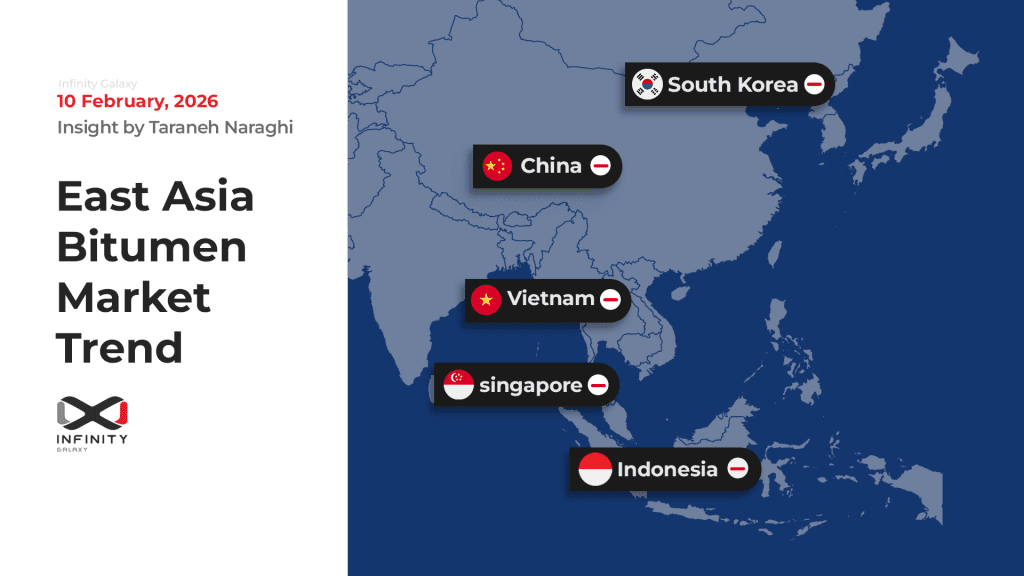

January 2026 in East Asia was defined less by numbers and more by mindset.
The market entered the year in a state of pause, shaped by regional holidays, seasonally weak construction activity, and the psychological weight of uncertainty.
Demand did not disappear, but decision-making slowed noticeably.
Buyers focused on protecting positions, digesting inventories, and postponing commitments rather than actively negotiating new cargoes.
As February began, a clear movement emerged not in prices, but in behavior.
Across East Asia, price levels largely held steady, yet the market itself became more dynamic. Conversations restarted, negotiations regained structure, and the flow of inquiries became more balanced.
This shift marked the market’s exit from a mental standstill rather than the beginning of a price-driven cycle.
Singapore Bitumen Market
In Singapore, January was characterized by one-sided pressure and widespread caution. Market participants were present but hesitant, with limited appetite to initiate discussions.
Early February brought a noticeable change.
Negotiations returned to the table, communication between buyers and sellers became more active, and the overall trading atmosphere turned more balanced.
The result was not price excitement, but a clear psychological recovery from stagnation.
South Korea Bitumen Market
South Korea followed a similar trajectory, though with its own operational nuances.
During January, the market largely moved in passive alignment with external references and upstream trends.
As February progressed, the rhythm became more structured. Short-term decisions grew clearer, supported by improved visibility around export allocations and operational planning. While upstream volatility briefly influenced sentiment, the broader outcome was a market that felt more stable and easier to plan around.
China Bitumen Market
In China, January demand remained opaque and heavily price-driven. Spot activity was limited, and many participants slowed operations ahead of extended holidays. As February started, demand signals became more transparent.
Buyers showed clearer visibility on required tonnages, even as price sensitivity remained high. Domestic prices stabilized after early pressure, supported by controlled output levels and expectations around feedstock costs.
Despite this, seasonally weak consumption and holiday-related slowdowns continued to restrain momentum, keeping the market selective rather than aggressive.
Indonesia Bitumen Market
Indonesia stood apart as a source of regional balance throughout both periods.
In January, consumption remained stable in key areas such as Java, while activity in other regions slowed as most road projects had already been completed.
Buyers were well covered by existing term deliveries and tank inventories, reducing the need for spot purchasing.
This pattern continued into early February, with stability holding firm and no urgency to secure near-term cargoes.
Indonesia effectively acted as an anchor, reinforcing equilibrium rather than driving movement.
Vietnam Bitumen Market
Vietnam experienced a more cautious evolution.
January activity was limited, as most importers had already secured their February requirements.
Early February brought increased market awareness, with more checks and conversations taking place, yet without urgency.
Cold weather and the approaching Tet holiday continued to restrict construction activity, dampening demand further.
Buying interest gradually shifted toward March cargoes, but importers remained focused on absorbing existing stocks before committing to new volumes.
Conclusion
Taken together, these developments point to a regional market that has not entered a rally, but has clearly exited dormancy.
East Asia is moving again not through price spikes, but through restored engagement. Negotiations are active, demand visibility has improved, and decisions are being made with greater discipline.
This phase favors careful supplier selection and strategic timing rather than reactive buying.As Taraneh notes “What we are seeing in East Asia is not a price-driven story, but a behavioral one.
The market has started moving again, and in this phase, discipline matters more than speed.
Buyers who prioritize reliability and timing over short-term price noise will be better positioned for the months ahead.”


