Bitumen Applications
Bitumen Waterproofing: Types, Uses and How to Choose
Bitumen waterproofing protects roofs, foundations and basements from water. This guide compares bitumen paint, coating and membrane, and shows which bitumen type and grade fits each job and climate.


Bitumen waterproofing stops water from passing through a surface. It protects roofs, foundations, basements, steel parts and concrete decks. Most projects use one of three forms: bituminous paint, bituminous coating or a bituminous membrane.
The three forms work in different ways. Paint is thin and quick to apply. A coating builds a thicker layer. A membrane gives the most reliable protection when water stands or pushes on the surface.
This guide explains each form and shows where it fits. It also covers the bitumen types behind these products.
The table gives a quick view before the details.
| Form | Best for | How it is applied | Main limit |
|---|---|---|---|
| Bituminous paint | Primer, steel, wood, light damp-proofing | Brush, roller or spray, cold | Thin film, not for standing water |
| Bituminous coating | Foundations, basements, tanks | Brush, trowel or spray, hot or cold | Damp-proofing only, needs protection from sun |
| Bituminous membrane | Flat roofs, decks, terraces | Rolls laid by torch, hot mop or self-adhesive | Needs trained installers and sealed joints |
What Are the Properties of Bitumen as a Waterproof Coating?
Bitumen repels water, and it sticks well to concrete, metal and wood. These two properties explain why builders have used it for thousands of years. Ancient builders sealed boats and brick walls with natural bitumen.
Bitumen also stays flexible. The right grade follows small movements in a building without cracking. This matters on roofs and foundations, which expand and shrink with temperature.
Sunlight is the main weakness. UV light slowly ages bitumen and makes it harder and more brittle. For this reason, exposed membranes carry a protective surface, such as mineral granules or aluminium foil. Buried layers, such as foundation coatings, are protected by the soil. You can read more about the material itself in our guide to bitumen properties.
Where Bitumen Waterproofing Is Used
Roofs are the largest use. Foundations and basement walls come next. Bitumen waterproofing is also common on concrete decks and terraces, steel pipes and storage tanks. The table shows the usual choice for each surface.
Different Forms of Using Bitumen in Waterproofing
Paint, coating and membrane all start with bitumen. They differ in thickness, strength and the way you apply them.
Bituminous Paint
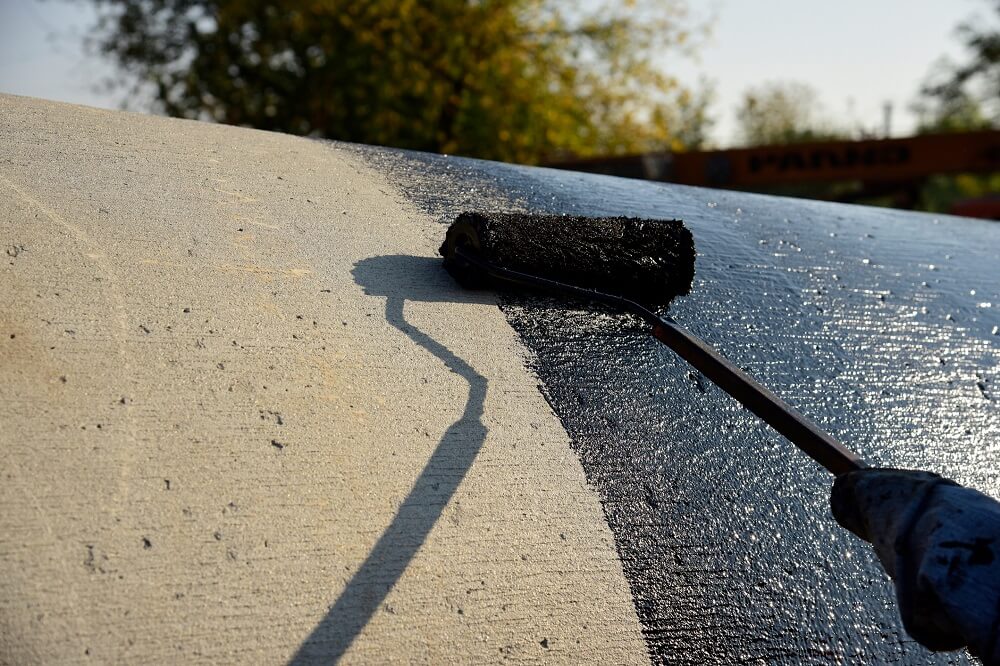
Bituminous paint is a thin liquid. It is made by dissolving bitumen in a solvent. After application, the solvent evaporates and leaves a black, waterproof film.
You apply it cold, with a brush, roller or spray. No heating is needed. Many contractors use paint as a primer on concrete, because it helps the next bitumen layer to bond. It also protects steel and wood from moisture.
The film is thin, so paint alone is not enough for roofs or for surfaces with standing water. The solvent-based type dries fast and bonds well, but it gives off strong fumes. Water-based paint uses bitumen emulsion instead of solvent. It has less odor, but it dries more slowly and needs mild weather. The solvent-based type is made from cutback bitumen, which is bitumen thinned with a solvent.
Bituminous Coating
A bituminous coating builds a thicker layer than paint. Contractors apply it with a brush, trowel or spray, usually in two or more coats. There are two main types.
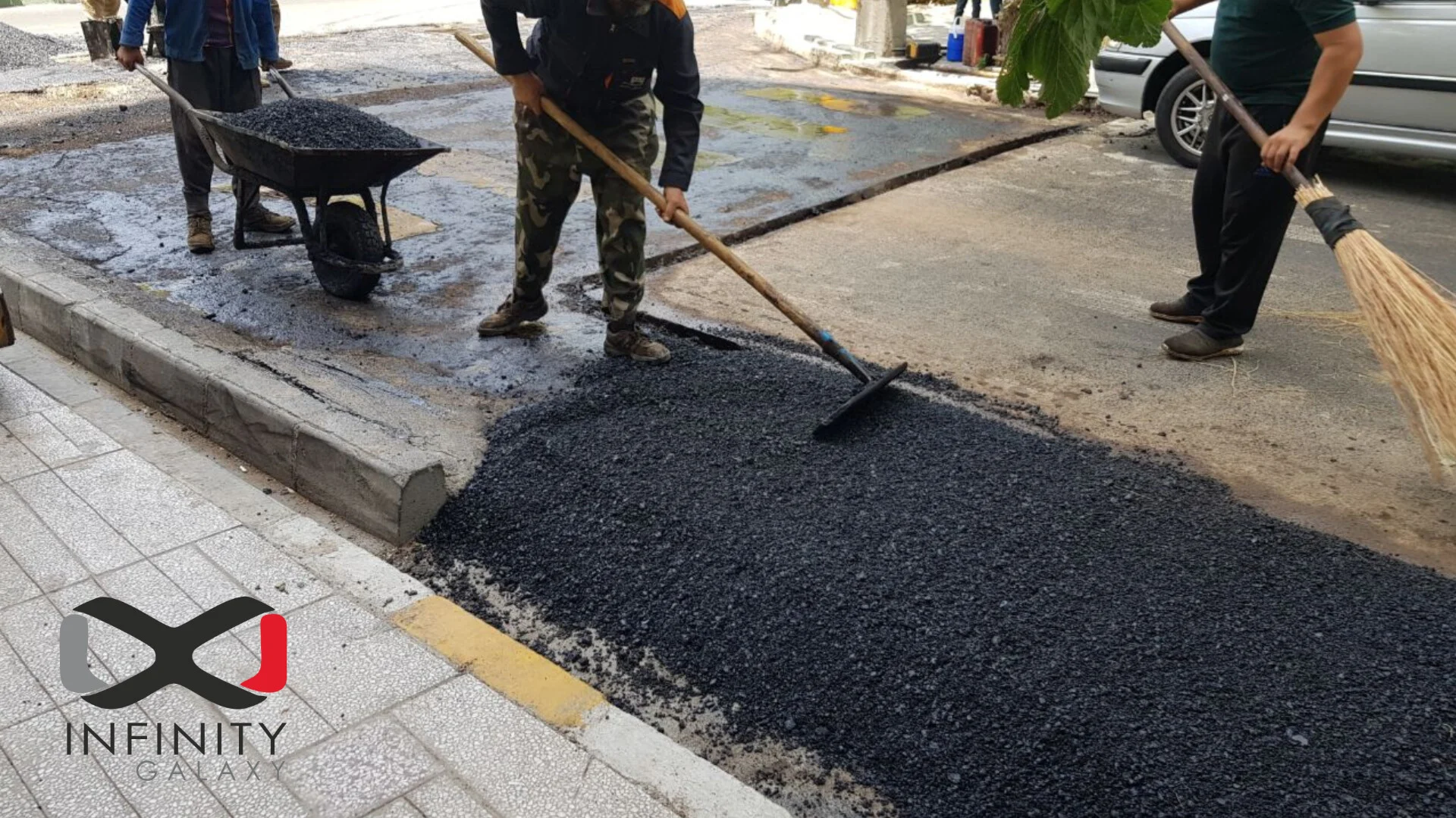
Hot-applied coatings use bitumen that is heated until it flows. The layer then cools into a solid film. ASTM D449 covers hot-applied asphalt for damp-proofing and waterproofing. Cold-applied coatings use bitumen emulsion or a solvent mix, so they need no heating. They are easier to use on small sites. The emulsion type affects the final result, so check the bitumen emulsion grades before you choose one.
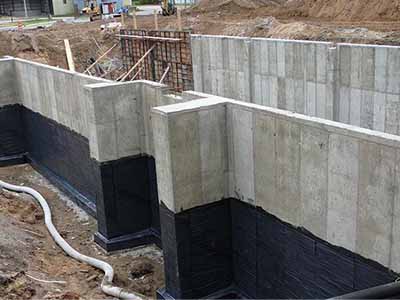
Foundations and basement walls are the most common use. Here, a coating works as damp-proofing. It blocks moisture from the soil, but it does not stop water that pushes on the wall. Where groundwater is present, a membrane is the safer choice. In both cases, keep the coating out of direct sun and protect it from stones during backfilling.
Bituminous Waterproofing Membrane
A bituminous membrane is a factory-made roll. It combines bitumen with a reinforcement layer, usually polyester or glass fibre. The reinforcement adds strength, and the bitumen provides the waterproofing. Because the roll is made in a factory, its thickness is more even than a layer applied on site.
Older membranes used oxidized bitumen. Today, most membranes use modified bitumen, either APP or SBS. The main difference is how they behave in heat and cold.
| APP-modified | SBS-modified | |
|---|---|---|
| Modifier | Plastic (atactic polypropylene) | Rubber (SBS) |
| Behaviour | Resists heat well | More elastic, handles cold and movement better |
| Typical use | Hot climates, sun-exposed roofs | Cold or changing climates, moving structures |
| Application | Mainly torch-applied | Torch, hot mop, cold adhesive or self-adhesive |
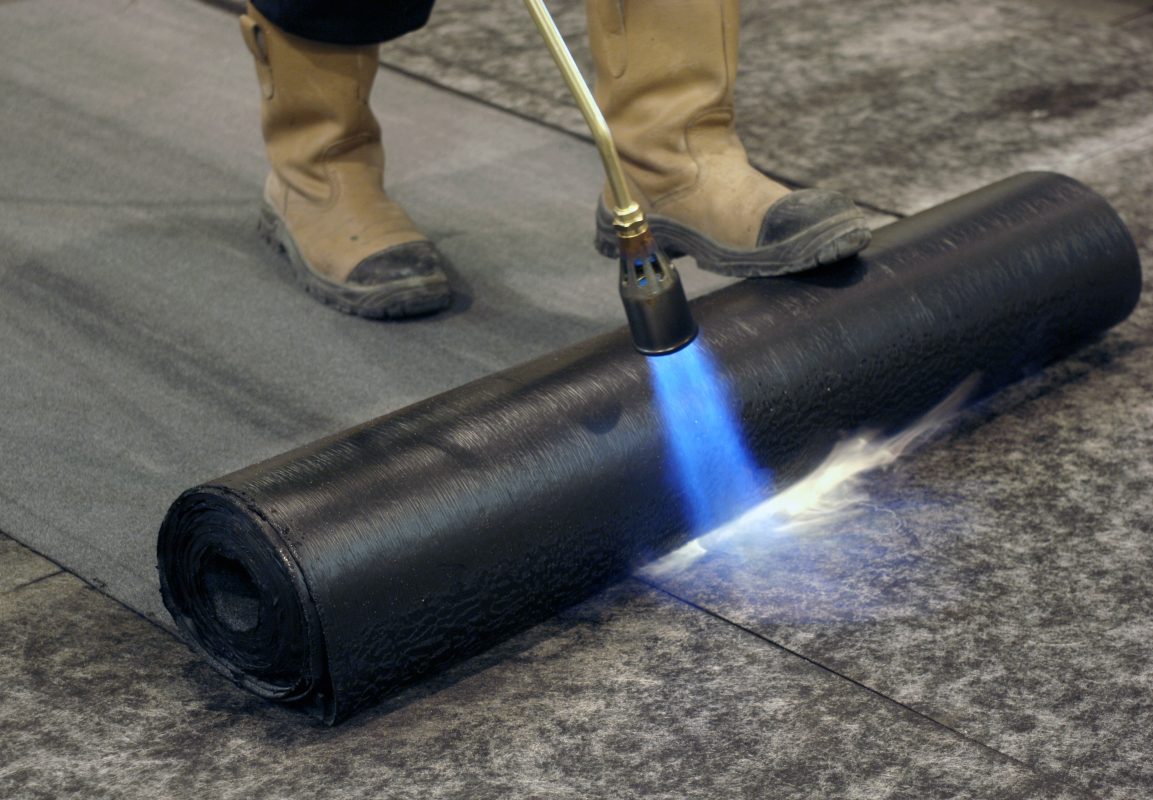
Rolls are laid in overlapping strips. The overlaps are sealed with heat or adhesive, and good joints decide how long the roof stays dry. Torch-applied membranes need trained crews and fire safety measures. Self-adhesive rolls avoid the flame, but they need a clean, primed surface.
Which Bitumen Goes Into Waterproofing Products?
Waterproofing products start with the right base bitumen. Oxidized bitumen is the classic choice. Producers blow hot air through the bitumen to make it harder. This raises the softening point, so the layer stays firm in warm weather.
The table shows the main bitumen types behind each form.
| Bitumen | Typical use in waterproofing | Note |
|---|---|---|
| Oxidized 85/25 | Roofing felts, coatings, general waterproofing | All-round grade |
| Oxidized 115/15 | Hot-climate roofs, harder coatings | Higher softening point |
| Bitumen emulsion | Cold, water-based coatings and primers | No solvent, no heating |
| Cutback bitumen | Solvent-based paints and primers | Dries as the solvent evaporates |
Exact limits for each grade are on our page for oxidized bitumen grades and specifications.
How to Choose the Right Bitumen Waterproofing
Five questions make the choice easier.
What is the surface? Concrete, metal and wood need different primers. Membranes need a clean, smooth and dry base.
Is there water pressure? Damp soil needs damp-proofing. Groundwater or standing water needs a membrane.
Will the sun reach the layer? If yes, choose a membrane with a mineral surface, or protect the coating.
What is the climate? Hot climates need a higher softening point, such as oxidized 115/15 or APP membranes. Cold climates need flexibility, which SBS membranes offer.
How will you apply it? Torch-applied membranes need trained crews. Solvent products need good ventilation. Cold emulsions suit small sites. For a wider view of bitumen types, see the types and grades of bitumen.
Buying Bitumen for Waterproofing
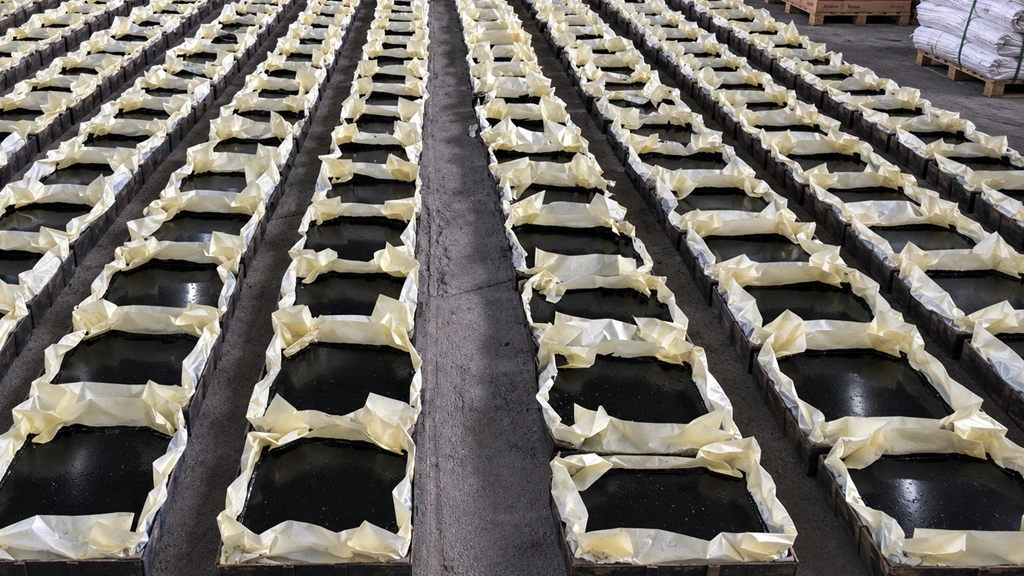
If you make waterproofing products, you can buy the base bitumen from us. We supply oxidized bitumen 85/25 and 115/15 for membranes and coatings. We also supply bitumen emulsion for cold-applied products and cutback bitumen for solvent-based paints.
All bitumen ships in new steel drums or jumbo bags. We do not ship it in bulk vessels. The minimum order is 200 tons. The bitumen price includes SGS inspection, and we can add inspection to oxidized bitumen orders on request. Each order comes with the export documents needed for customs.
To plan your order, check today's bitumen price. Then request a quote with your grade, packing and destination port.
FAQ
Is bitumen paint safe to use indoors?
Solvent-based bitumen paint gives off strong fumes and is flammable. Use it only in well-ventilated areas and keep it away from flames. Water-based bitumen paint has much less odor, but you should still follow the product data sheet.
Can I put tiles or plaster directly over bitumen waterproofing?
Usually not. Bitumen stays slightly soft, and tile adhesive does not bond well to it. Cover the waterproofing with a protective screed or board first. Then fix the tiles on that layer. Check the system data sheet for the exact build-up.
Can I use bituminous coating on a drinking water tank?
Only if the product is certified for contact with drinking water. Ordinary bituminous paints and coatings can affect taste and smell. Ask the supplier for the certificate before you use it.
How many coats of bituminous coating does a foundation wall need?
Most products call for a primer coat and two coats of coating. Let each coat dry before you apply the next one. Always follow the product data sheet, because thickness and drying time change from product to product.
Comments
Share your thoughts...
Share this article
Latest
From the blog
Curious to see more, discover more articles, and stay up-to-date?