Urea
Urea Uses and Applications
Urea is best known as a nitrogen fertilizer, but it's also used in plastics, adhesives, diesel fuel, and skincare products.

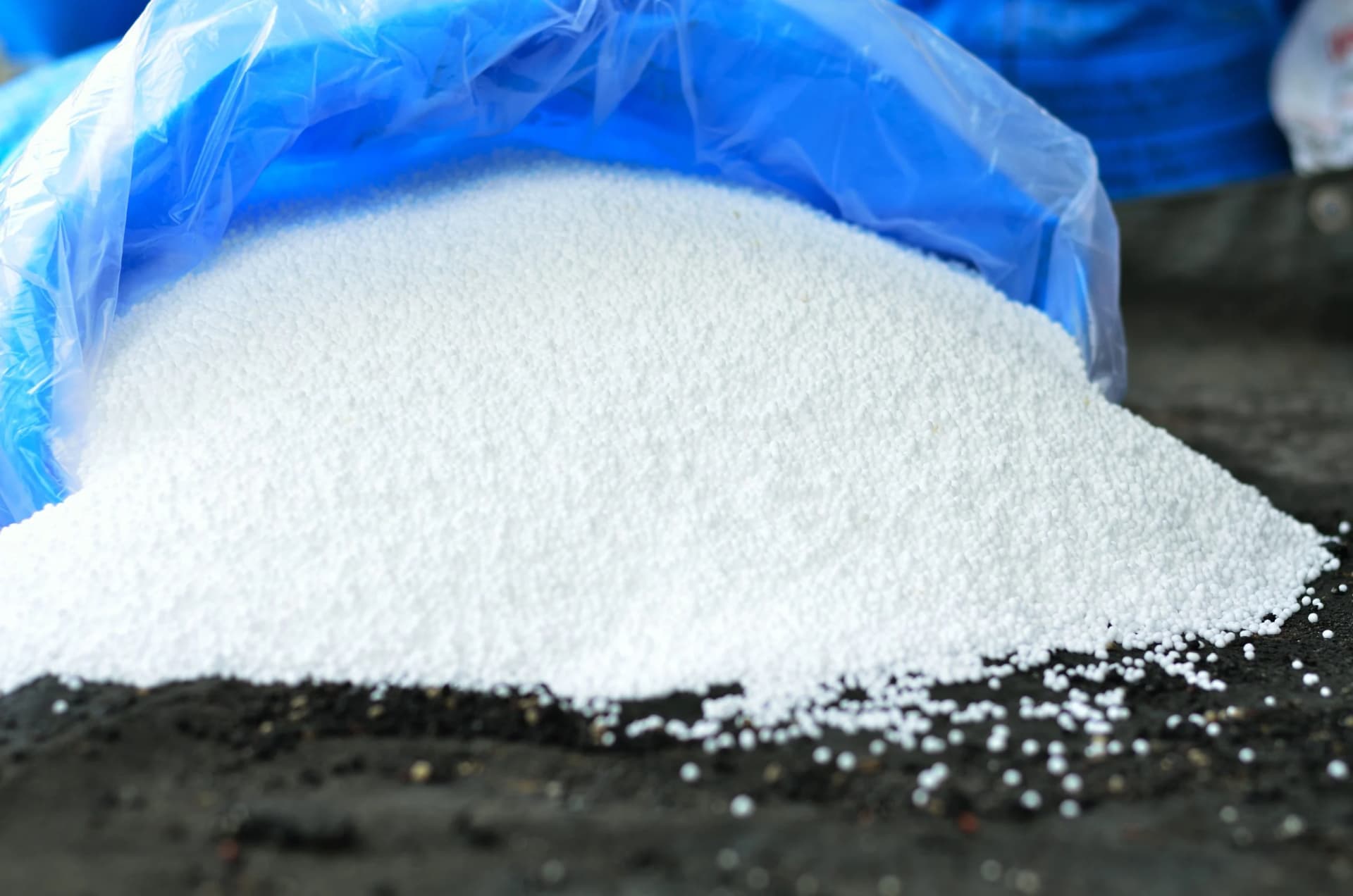
Urea is best known as a nitrogen fertilizer, but that's only one of its uses. It's also a key ingredient in plastics, wood adhesives, diesel fuel additives, skincare products, and more.
Whether you're a farmer, a manufacturer, or just curious about where urea shows up, this guide covers its main uses across agriculture and industry.
For the full picture of what urea is and how it's made, see our guide to urea.
Fertilizers (Agricultural Use)
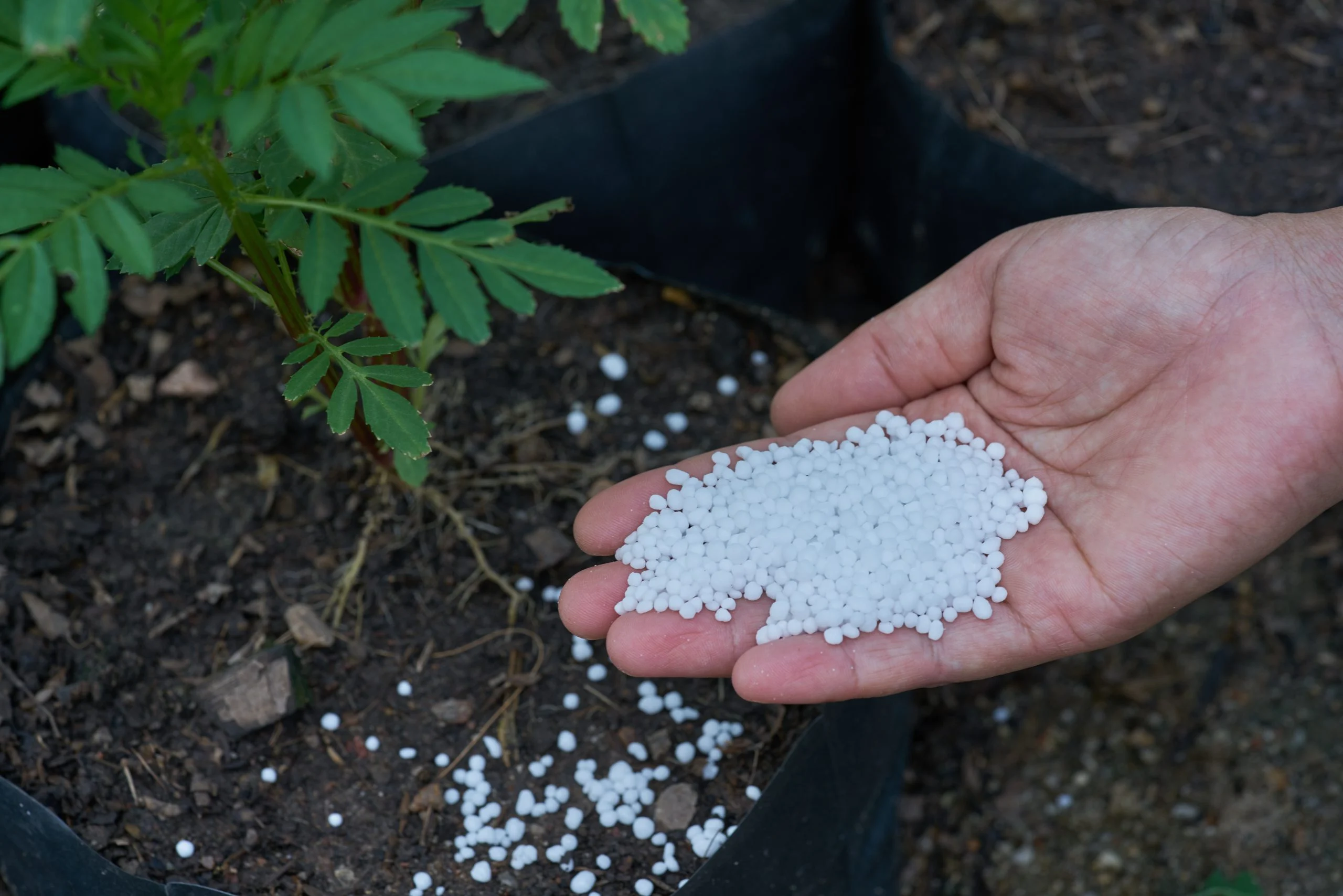
Urea is the most widely used nitrogen fertilizer in agriculture. It is popular for its high nitrogen content (about 46%) and low cost per unit of nitrogen. When applied to soil, urea is converted into ammonium and then nitrate by soil bacteria. They form nitrogen, that plant roots can absorb directly.
Urea breaks down gradually and isn't easily washed away by rain, so it keeps feeding plants over a longer period than some faster-release fertilizers. This makes it a practical, cost-effective choice for a wide range of crops.
Urea for agricultural use comes in two physical forms, prilled and granular. See our guide to urea types to find out which is right for your application.
How Urea Is Used in Agriculture?
Farmers apply urea in a few main ways:
- Broadcasting: spreading it directly onto soil before or during planting.
- Fertigation: mixing it into irrigation water.
- Foliar spray: dissolving it and spraying it onto crop leaves.
The best method depends on the crop, the soil type, and the equipment available. Broadcasting is common for large fields. Fertigation and foliar sprays allow more precise, targeted feeding.
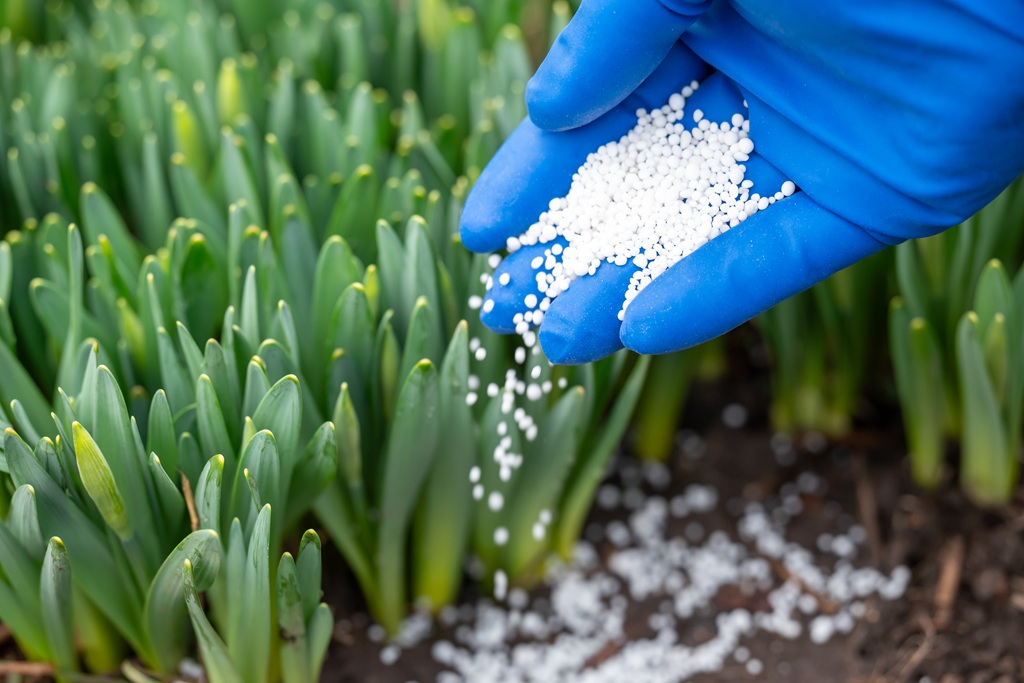
Benefits of Urea as a Fertilizer
- -High nitrogen content (~46%). This means farmers need less product per acre than with many other fertilizers
- -Works with standard spreading and irrigation equipment. No special handling is needed
- -Works well with most soil types and many different crops
- -Less likely to wash away in the rain than some other nitrogen sources
- -Usually more affordable per unit of nitrogen than many other fertilizers
Looking to buy? Check our urea product page for specifications, grades, and packaging options.
Plastic Industry
Urea is used to make plastic materials. This plastic can be shaped when heated. It keeps its new shape after it cools down.
When urea is mixed with formaldehyde, it creates a type of plastic called urea-formaldehyde resin. This resin sets permanently into shape when heated. It is widely used to make molded items, laminates, coatings, and adhesives.
Fuel Additives
Urea can be added to diesel fuel. This improves engine performance and reduces emissions.
Urea-based solutions can be added to diesel exhaust systems. This reduces harmful nitrogen oxide emissions through a process called selective catalytic reduction (SCR). Urea can also improve fuel efficiency. This is helpful for large vehicles and equipment.
Adhesive
Urea is used as an adhesive in making wood products like particleboard, MDF, and plywood. It's mixed with formaldehyde to create a strong bond when heated and pressed.
Soaps, Washing Powders, and Skin Products
Urea is used in skin care products, soaps, and washing powders to moisturize and scrub the skin.
It also helps remove dirt and sweat from the skin and hair. Its moisturizing properties can improve hair texture too. Urea is generally safe, but some people may be allergic to it. Overall, it is a useful ingredient for skin and body care.
Deicing Agent
Urea can prevent ice from forming on surfaces like roads and walkways. When mixed with water, it creates a solution that does not freeze easily. This stops ice from forming.
It is a good deicing agent because it is less harmful to the environment than other options, like salt or calcium chloride. Overall, urea is a good, eco-friendly way to prevent ice. But it needs to be used carefully.
Animal Feed
Urea can be used to make animal feed richer in protein. It provides nitrogen that animals can use to make protein.
This lets farmers make high-protein feed with cheaper ingredients. But if animals eat too much of it, it can cause health problems.
Textile Industry
Urea is used in the textile industry to help dye fabrics and improve their texture.
It can also soften fabrics, reduce wrinkles, and improve their texture. Fire risk is high in the textile industry. Because of this, urea can act as a flame retardant to help stop fires from spreading.
Urea Uses at a Glance
| Industry | Main Use |
| Agriculture | Nitrogen fertilizer for crops and soil |
| Plastics | Raw material for urea-formaldehyde resin |
| Diesel Fuel | Additive to reduce NOx emissions (SCR/DEF) |
| Wood Products | Adhesive in particleboard, MDF, and plywood |
| Skincare | Moisturizing ingredient in soaps and lotions |
| Deicing | Eco-friendlier alternative to road salt |
| Animal Feed | Nitrogen source for protein production |
| Textiles | Dyeing aid, fabric softener, flame retardant |
Frequently Asked Questions about Urea Uses
What is urea used for? Urea is mainly used as a nitrogen fertilizer in agriculture. It also appears in plastics, wood adhesives, diesel exhaust fluid, skincare products, animal feed, and deicing agents.
What is the main use of urea in agriculture? In agriculture, urea is used as a solid nitrogen fertilizer. Farmers apply it to soil, mix it into irrigation water, or use it in foliar sprays. This supplies the nitrogen that crops need to grow.
Is urea used only in agriculture? No. Agriculture is its biggest use, but urea is also used in plastics manufacturing, wood adhesives, diesel fuel additives (DEF), skincare products, animal feed, and deicing for roads and walkways.
Why is urea used in diesel engines? Urea-based diesel exhaust fluid (DEF) is injected into a vehicle's exhaust system. This reduces harmful nitrogen oxide emissions through a process called selective catalytic reduction (SCR). It helps engines meet emissions standards.
Comments
Share your thoughts...
Latest
From the blog
Curious to see more, discover more articles, and stay up-to-date?