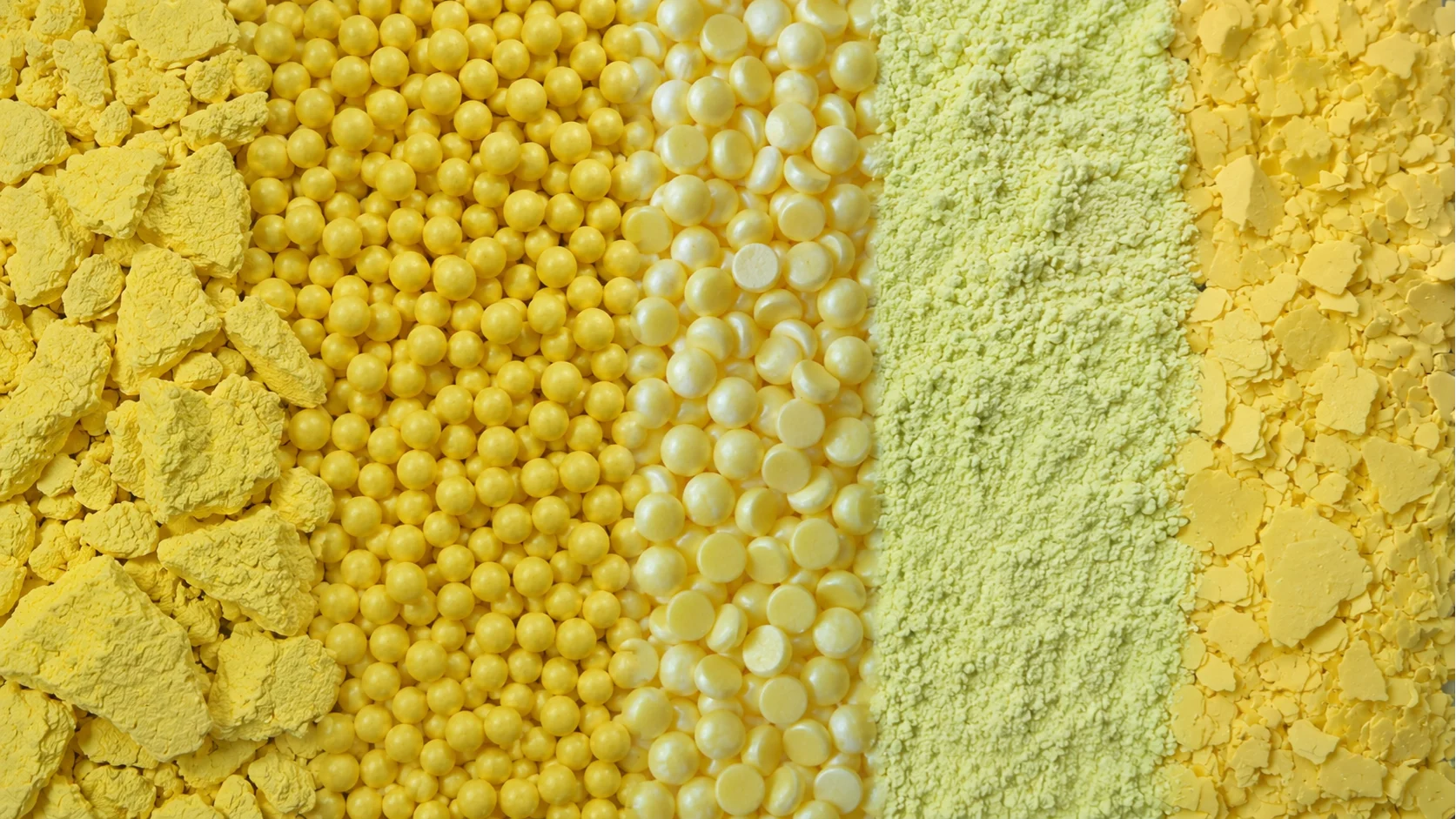
Sulfur
Sulfur Fertilizer Benefits and Agricultural Applications
Sulfur is an important plant nutrient, but not all sulfur fertilizers work in the same way. Learn the benefits, types, and applications of elemental and sulfate sulfur in agriculture.

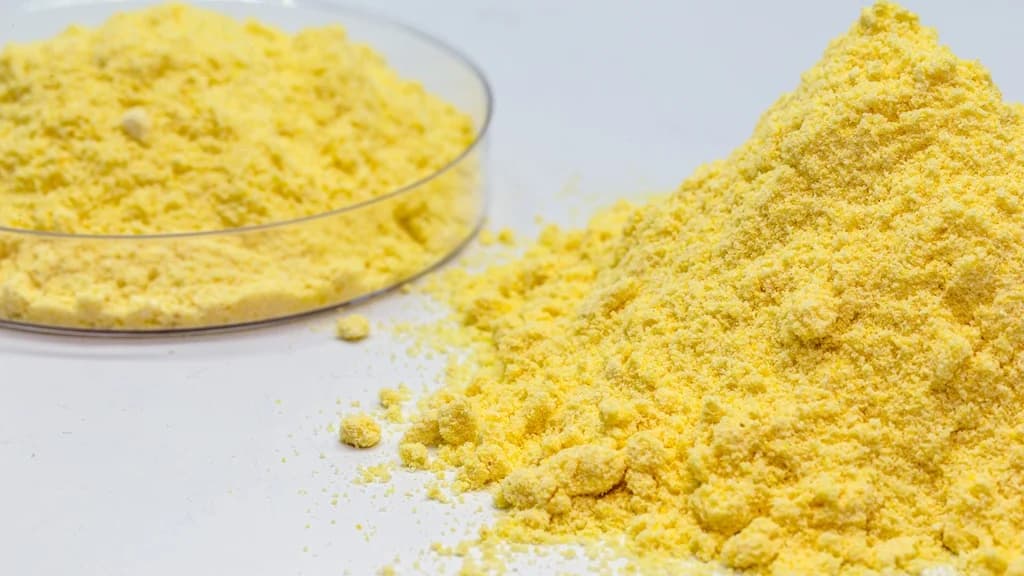
- What Is Sulfur Fertilizer?
- Why Is Sulfur Important for Plants?
- Elemental Sulfur vs. Sulfate Fertilizer
- Main Types of Sulfur-Based Fertilizer
- How Does Elemental Sulfur Work in Soil?
- Sulfur Agricultural Use
- How to Choose the Right Sulfur Fertilizer
- High-Purity Elemental Sulfur for Fertilizer Applications
- Frequently Asked Questions
Sulfur is an important nutrient for healthy plant growth. It helps plants make proteins, use nitrogen, and develop properly. But not all sulfur fertilizers work in the same way. Elemental sulfur and sulfate fertilizers have different properties and uses.
Knowing the difference helps farmers, fertilizer producers, and agricultural buyers choose the right sulfur source.
What Is Sulfur Fertilizer?
Sulfur fertilizer supplies sulfur to soil and crops. Plants need sulfur for normal growth, but the form of sulfur matters.
The two main types are:
- -Elemental sulfur (S⁰): A concentrated sulfur source that must change in the soil before plants can use it.
- -Sulfate sulfur fertilizer (SO₄²⁻): Contains sulfur in a form that plants can use more directly.
Elemental sulfur is also used as a raw material in some sulfur-based fertilizer products.
Why Is Sulfur Important for Plants?
Sulfur supports several important plant processes.
- -Protein production: Plants use sulfur to make important proteins.
- -Nitrogen use: Sulfur helps plants use nitrogen more effectively.
- -Plant growth: A good sulfur supply supports healthy crop development.
- -Sulfur deficiency correction: Sulfur fertilizer can help when soil does not provide enough sulfur.
The need for sulfur depends on the crop, soil, and growing conditions.
Elemental Sulfur vs. Sulfate Fertilizer
E Soil microorganisms slowly change it into sulfate, which plant roots can absorb. This makes elemental sulfur useful when gradual sulfur release is suitable.lemental sulfur is a highly concentrated source of sulfur. However, plants cannot directly absorb it in its elemental form. Soil microorganisms must convert it into sulfate before plant uptake.
Sulfate fertilizers, such as ammonium sulfate, potassium sulfate, and gypsum, already contain sulfur in a more available form.
The best option depends on whether the crop needs sulfur quickly, whether the soil needs pH adjustment, and how the fertilizer will be applied.
| Feature | Elemental Sulfur | Sulfate Fertilizer |
|---|---|---|
| Sulfur form | S⁰ | SO₄²⁻ |
| Plant availability | Needs conversion in soil | More directly available |
| How Long It Lasts in soil | Slower (needs soil bacteria) | Shorter |
| Release | Gradual | Faster |
| Common Use | Soil use and fertilizer production | Direct crop nutrition for quick correction |
Main Types of Sulfur-Based Fertilizer
Different sulfur fertilizers provide different nutrients and benefits.
| Fertilizer Type | What It Provides | Common Use |
|---|---|---|
| Elemental sulfur | Concentrated sulfur | Soil use and fertilizer production |
| Ammonium sulfate | Nitrogen + sulfur | Fast nitrogen and sulfur supply |
| Potassium sulfate | Potassium + sulfur | Crops needing potassium and sulfur |
| Gypsum | Calcium + sulfur | Calcium and sulfur supply |
| Calcium magnesium sulfur fertilizer | Calcium + magnesium + sulfur | Multi-nutrient soil use |
Elemental sulfur is mainly chosen for its high sulfur content and gradual conversion in soil. Sulfate fertilizers provide sulfur in a more available form.
How Does Elemental Sulfur Work in Soil?
Elemental sulfur is relatively slow-moving in soil. It does not easily move away with water. Instead, soil microorganisms gradually convert it into sulfate.
The speed of this process depends on:
- -Particle size
- -Soil temperature
- -Soil moisture
- -Microbial activity
- -Application method
Finer sulfur particles have more surface area, which can support faster conversion. This is why particle size is an important specification for agricultural sulfur.
Sulfur Agricultural Use
Elemental sulfur is used in several agricultural applications.
Soil Sulfur Supply
It can help provide sulfur where soil sulfur levels are low. Its gradual conversion makes it suitable for applications where sulfur is needed over time.
Soil pH Management
Elemental sulfur can help lower soil pH after it is converted in the soil. This is useful in selected applications involving alkaline soils.
Fertilizer Production
Elemental sulfur is used as a raw material in products such as sulfur-bentonite, granulated sulfur, sulfur-coated fertilizers, and other sulfur-based fertilizer blends.
How to Choose the Right Sulfur Fertilizer
The best sulfur fertilizer depends on the purpose of application. Before selecting a product, consider the following questions:
Does the crop need sulfur immediately?
If yes, a sulfate fertilizer may be more suitable because sulfate is more directly available to plants.
Is the goal to lower soil pH?
Elemental sulfur may be considered for soil pH management, depending on soil conditions and the required application rate.
Is the product being used in fertilizer manufacturing?
In this case, purity, particle size, moisture, and physical form become especially important.
Are other nutrients also needed?
If the soil needs nitrogen, potassium, calcium, or magnesium, a multi-nutrient sulfur fertilizer may be more practical.
What is the application method?
Powder, granulated, coated, and liquid sulfur products have different handling and application requirements.
High-Purity Elemental Sulfur for Fertilizer Applications
For fertilizer manufacturers and agricultural buyers, sulfur purity and particle size are important.
High-purity elemental sulfur provides a concentrated sulfur source. However, buyers should also review moisture, impurities, physical form, and the intended application.
Looking for 99.8% purity elemental sulfur? Explore our product specifications or contact our team to discuss your requirements.
The product can be evaluated for agricultural applications and fertilizer manufacturing processes that require high-purity elemental sulfur.
Frequently Asked Questions
Is elemental sulfur the same as sulfur fertilizer?
Elemental sulfur is one type of sulfur fertilizer source. Other sulfur fertilizers contain sulfate or different sulfur forms.
Is elemental sulfur directly available to plants?
No. Soil microorganisms must first convert it into sulfate before plants can use it.
What is the difference between elemental sulfur and sulfate fertilizer?
Elemental sulfur converts slowly in soil. Sulfate fertilizer provides sulfur in a more directly available form.
What is calcium magnesium sulfur fertilizer?
It is a fertilizer that supplies sulfur together with calcium and magnesium.
Can elemental sulfur be used in fertilizer production?
Yes. It is used in several sulfur-containing fertilizer products, depending on the production process.
Comments
Share your thoughts...
Latest
From the blog
Curious to see more, discover more articles, and stay up-to-date?