

Bitumen
Weekly Bitumen Report: Oil Hits $91, US Inflation Stays Hot: Peace or New War?
Oil prices have fallen sharply amid hopes of easing geopolitical tensions, but bitumen markets remain divided. European export prices have plunged, Asian demand stays weak, while Iranian prices rise despite persistent shipping restrictions.


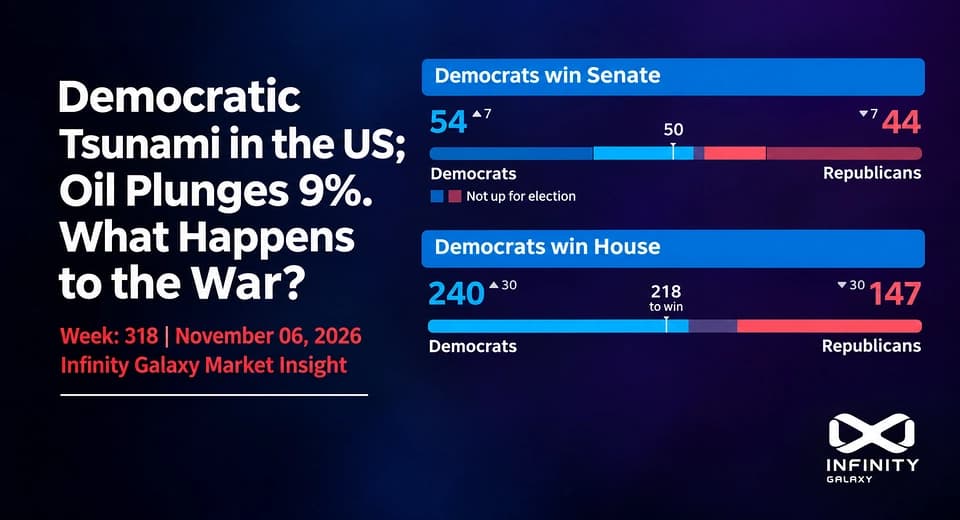
The Democrats' sweeping victory in the November 3 US midterm elections, securing majorities in both the House of Representatives and the Senate, has shifted the political balance in Washington. However, economic pressures remain. US October inflation rose 0.4% month over month, exceeding market expectations and reinforcing the prospect of continued monetary tightening by the Federal Reserve. Meanwhile, President Donald Trump declared that the war with Iran was effectively over from a military standpoint and that he currently saw no need for further strikes, while emphasizing that the naval blockade would remain in place.
At the same time, The Wall Street Journal reported that JD Vance was considering direct talks with Iranian representatives, a possibility rejected by Tehran. Markets are therefore receiving conflicting signals: the prospect of renewed diplomacy alongside continued military pressure and restrictions on maritime trade.
In Europe, US-mediated negotiations between Russia and Ukraine in Abu Dhabi resulted in a preliminary agreement on a prisoner exchange. However, fundamental disagreements, particularly over disputed territories, remain unresolved. It is therefore too early to declare either conflict definitively over, although energy market expectations have shifted compared with the previous week.
Brent Crude Oil: Down to $91. Is the Market Pricing in an End to the War?
Another major development in the energy market was the substantial increase in Saudi Arabian oil production. According to OPEC's monthly report, Saudi Arabia raised its reported crude oil output from 8.372 million barrels per day in September to 10.563 million barrels per day in October, the highest level since February 2026, before the outbreak of the war with Iran. Total OPEC+ production also increased by 2.04 million barrels per day to 41.23 million barrels per day. This recovery in supply comes at a time when uncertainty remains over future demand and oil transportation routes.
Brent crude, which had climbed to approximately $118 per barrel at the end of October, experienced a sharp decline in less than two weeks. After falling following the US midterm elections, Brent recovered some of its losses on November 11, reaching approximately $92.76 per barrel. However, by the morning of November 12, prices had declined again to around $91.29. This movement highlights how markets continue to fluctuate between expectations of political de-escalation and persistent risks to physical oil supplies.
Singapore and South Korea Bitumen: Demand Pressure Persists as Buyers Anticipate Further Price Declines
Singapore's bitumen market continued its downward correction from the previous week, with prices falling to approximately $825-835/MT. Many buyers have postponed new orders in anticipation of further price reductions. However, production constraints at some Singapore refineries continue to limit the pace of the decline.
In South Korea, export bitumen prices also fell to approximately $755-765/MT. Weak demand from China and slowing road construction activity as winter approaches continue to put pressure on the South Korean market.
India Bitumen: Refinery Prices Rise While Crude Oil Moves in the Opposite Direction
Unlike the downward trend in crude oil, India's bitumen market experienced another refinery price increase at the beginning of November. This adjustment came just as global energy markets entered a period of significant price corrections.
In its latest report, Argus attributed improved demand in parts of India to contractors accelerating project completion ahead of the Diwali holidays.
The unusual development in India is the growing divergence between domestic refinery prices and the sharp decline in crude oil and high-sulfur fuel oil (HSFO). If energy prices continue to fall, the likelihood of domestic Indian refineries revising their bitumen prices will increase.
China Bitumen: Strong Export Growth, but Bitumen Demand Remains Weak
China recorded significant export growth in October, but this performance has not yet translated into a broad recovery in domestic demand. In the bitumen market, the onset of colder weather, slowing infrastructure projects, and rising inventories at some refineries continue to put pressure on prices.
Under these conditions, Chinese producers are increasingly looking toward Southeast Asian export markets to maintain sales. However, weak regional demand and competition from Singapore, South Korea, and Malaysia could prevent export prices from recovering.
Europe and Mediterranean Bitumen: Seaborne Prices Collapse by More Than $100, While Domestic Markets Follow a Different Path
One of the week's most unusual developments was the sharp decline in European and Mediterranean export bitumen prices. Mediterranean prices fell by approximately $118/MT compared with the previous week, while Rotterdam prices declined by around $116/MT. Export assessments across these markets reached approximately $530-560/MT.
The main drivers were falling crude oil and HSFO prices, weakening seasonal demand, and a relative increase in export cargo availability. The approaching winter, reduced road construction activity, and greater tanker availability have added further downward pressure.
Bahrain's export bitumen price remained around $550/MT. Although Bahrain's refinery operations are approaching pre-war capacity, shipping and logistical disruptions in the Persian Gulf continue to affect exports.
Iran Bitumen: Oil Prices Fall, but Iranian Bitumen Rises as Export Restrictions Persist
Unlike global crude oil trends and many regional bitumen markets, Iranian bitumen prices increased. Higher vacuum bottom (VB) feedstock costs, limited supply, and difficulties in executing export shipments were among the main reasons for the increase. However, trading activity remains subdued, and higher prices do not necessarily indicate stronger actual sales volumes.
Maritime restrictions in the Strait of Hormuz and the ongoing naval blockade remain the primary obstacles to Iranian exports.
The challenges facing Iranian exporters have now multiplied. On one hand, production and transportation costs remain elevated. On the other, the sharp decline in crude oil and European bitumen prices could increase pressure from international buyers seeking lower prices for Iranian cargoes.
Insight by Razieh Gilani, Infinity Galaxy
Political developments in the United States, the possibility of renewed negotiations, rising Saudi oil production, and expectations of easing international tensions have placed significant downward pressure on global energy markets. However, bitumen markets have responded differently. Europe has experienced a sharp fall in export prices, East Asia continues to face weak demand, India has seen another refinery price increase, and Iran remains constrained by limited supply and high transportation costs despite falling oil prices.
For Iranian exporters, a potential end to the war will only become a genuine commercial opportunity when the naval blockade is lifted and reliable shipping routes are restored. Until then, uncertainty will continue to dominate market conditions.
Comments
Share your thoughts...
More Reports
Curious to see more, discover more reports, and stay up-to-date?
Bitumen
Weekly Bitumen Report: Democratic Tsunami in the US: Oil Plunges 9%. What Happens to the War?
The Democrats' sweeping victory in the November 3 US midterm elections, securing control of both the House of Representatives and the Senate, was the week's most significant political development. After months of war with Iran, the result represents a major political setback for Donald Trump and the Republicans. Rising living costs, pressure from high energy...
Razieh Gilani
Nov 5, 2026

Bitumen
Weekly Bitumen Report: Peace Message from Washington, War Threats Before the US Elections
The final week of October brought a significant development in relations between Iran and the United States. Reports indicated that US Vice President JD Vance had sent a letter to Mohsen Rezaei to explore the possibility of resuming negotiations. Meanwhile, Qatar, supported by Pakistan, proposed a seven-day framework for confidence-building measures and ending the war,...
Razieh Gilani
Oct 29, 2026