Uncategorized
Bitumen Delivery Terms and Risk Transfer
Who Bears the Risk Under FOB, CFR, CIF, CPT, FCA, EXW and CNF? Who pays for freight and insurance? A practical guide to Incoterms® 2020 with bitumen examples for sea, road and rail.

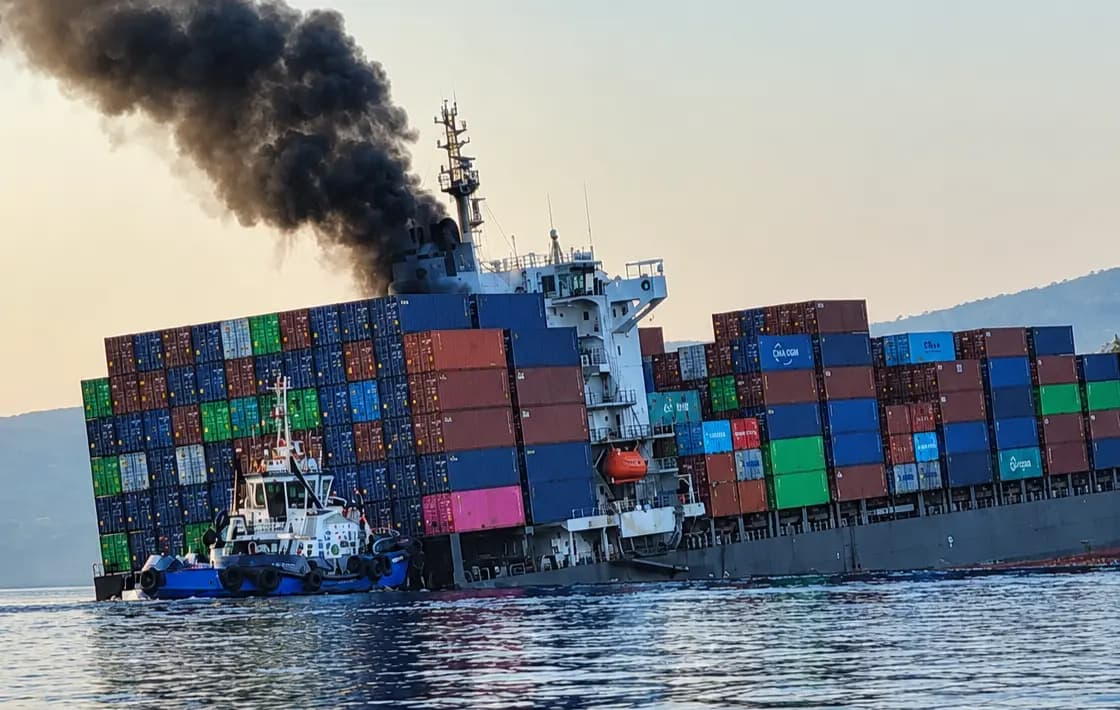
If a supplier pays the freight to the destination port and the bitumen is damaged at sea, who bears the risk? The shipping disruptions around the Strait of Hormuz in 2026 made that question more urgent for bitumen buyers. We discussed the changing supply routes in our November 2026 bitumen market outlook.
Here, we use examples from sea, road and rail shipments to show where risk passes and who pays for freight and insurance under each delivery term.
Quick answer: Under FOB, CFR and CIF, the risk of loss or damage normally passes to the buyer once the bitumen is on board the vessel at the port of shipment. Under FCA, risk passes when the supplier delivers the cargo to the buyer’s nominated carrier or party at the agreed point. Under CPT, it passes when the supplier delivers the cargo to the carrier it has contracted at the agreed delivery point. Under EXW, risk generally passes when the supplier makes the cargo available to the buyer at the named pickup point, before loading. If a buyer asks for CNF, confirm that they mean CFR and use CFR in the quotation.
Compare Bitumen Delivery Terms
| Term | When cargo risk normally passes to the buyer | Who arranges and pays for main carriage? | Must the supplier arrange cargo insurance? |
| FOB · Free On Board | On board at the port of shipment | Buyer | No |
| CFR · Cost and Freight | On board at the port of shipment | Supplier, to the named destination port | No |
| CIF · Cost, Insurance and Freight | On board at the port of shipment | Supplier, to the named destination port | Yes, at the required level of cover |
| CPT · Carriage Paid To | At handover to the carrier contracted by the supplier, at the agreed delivery point | Supplier, to the named destination | No |
| FCA · Free Carrier | At delivery to the buyer’s nominated carrier or party, at the named point | Buyer | No |
| EXW · Ex Works | When the goods are available at the named point, ready for pickup and before loading | Buyer | No |
| CNF · Informal market shorthand | Apply the CFR rule once the parties confirm that CFR is the agreed basis | As agreed under CFR | As agreed under CFR |
Read a quotation in three steps:
Find the delivery point, check how far the freight is paid, then confirm who arranges insurance and what it covers. A CFR, CIF or CPT quotation can name a destination well beyond the point where cargo risk passes.
Sea Freight Examples
Approximately 500 MT of Bitumen Grade 60/70 in new steel drums containing 180 kg net per drum, shipped in 25 × 20-foot containers. Confirm the final net weight on the packing list. With 110 drums in each container at 180 kg net per drum, the shipment would contain 495 MT. See the Bitumen Grade 60/70 specifications.
FOB Bitumen and the Port of Loading
FOB Bandar Abbas, FOB Jebel Ali and FOB Mersin are three examples of how to name the loading port. In each case, the supplier delivers the cargo on board the vessel nominated by the buyer at the specified port and handles export clearance where applicable. For example, in FOB Jebel Ali, Incoterms® 2020, the risk passes when the goods are on board at Jebel Ali.
CFR Bitumen and Freight to the Destination Port
With CFR Mombasa, Incoterms® 2020, the supplier contracts and pays for sea freight to Mombasa. If the goods are loaded in Bandar Abbas, cargo risk normally passes on board there. The buyer should confirm what cargo insurance it wants from that point, as CFR does not require the supplier to obtain it.
Other examples of named destination ports are Dar es Salaam and Djibouti in Africa, and Laem Chabang, Shanghai, Mundra, Colombo and Port Klang in Asia.
CIF Bitumen and the Insurance Included
With CIF Douala, Incoterms® 2020, the supplier pays freight to Douala and obtains cargo insurance covering the buyer’s transit risk at the level required by the rule or agreed in the contract. Risk still normally passes once the bitumen is on board at the port of shipment. The default CIF requirement is generally the level of cover provided by Institute Cargo Clauses C or equivalent terms. Ask to see the cover and confirm whether any additional cover, including war risks, is included or can be arranged.
Other CIF examples include Luanda and Durban in Africa, Manila in Asia, and Lae, Papua New Guinea, and Suva, Fiji in Oceania. For Latin American enquiries, Santos, Brazil, San Antonio, Chile, Buenos Aires, Argentina, and Callao, Peru are examples of named destination ports for a CFR or CIF comparison. Confirm the route, terminal and service for the specific order.
Is CNF the Same as CFR in Bitumen Trading?
Some buyers still ask for a CNF bitumen price. In market usage, CNF generally means Cost and Freight. CFR is the official Incoterms® abbreviation. It was also the official abbreviation under Incoterms® 2000. If a buyer asks for CNF Mombasa, CNF Djibouti, CNF Mundra or CNF Port Klang, confirm that they mean CFR and name the destination port in the quotation. For example, write CFR Mombasa, Incoterms® 2020.
A sealed container may enter the terminal before it is loaded on the vessel. If the intended delivery and risk transfer occur when the cargo is handed to the carrier at the terminal, FCA or CPT may better reflect that arrangement, depending on who arranges and pays for the main carriage. If you receive a quote on FOB, CFR or CIF terms, check the agreed delivery point and the evidence that the cargo was loaded on board.
FOB vs CFR vs CIF in an Infinity Galaxy Quotation
When comparing bitumen quotations, use the same grade, packing, net tonnage and route. This example uses Bitumen Grade 60/70 in new steel drums from Bandar Abbas to Mombasa. Let X be the FOB price, F the ocean freight and I the cargo insurance premium. All three are expressed in USD per metric tonne.
| Infinity Galaxy quotation example | Price in USD per MT | How to compare the price |
| FOB Bandar Abbas | X | Add the ocean freight and any cargo insurance the buyer arranges. |
| CFR Mombasa | X + F | Ocean freight is included. Add any cargo insurance the buyer arranges. |
| CIF Mombasa | X + F + I | Ocean freight and cargo insurance are included. Compare the policy limits and exclusions. |
If the buyer and supplier can obtain the same freight rate and equivalent insurance at the same premium, all three offers come to X + F + I per metric tonne through ocean freight and insurance. When comparing actual offers, use the freight rate and insurance premium available for each option.
To calculate the full cost of getting the bitumen to your plant, check destination terminal charges, customs duties, taxes and inland delivery. Confirm which charges are already included before adding them. View Infinity Galaxy’s current bitumen prices by destination.
What Happens if Bitumen Is Damaged in Transit?
If your shipment was inspected by an independent company such as SGS or GeoChem, ask Infinity Galaxy for the inspection report and photographs of the container before and after loading. Depending on the agreed scope, the records can show the quality and condition of the bitumen, the condition of the empty container, and how the cargo was loaded and secured. If loading onto the vessel was also supervised, request that record as well.
If you find damage on arrival, photograph the container, seal and damaged cargo. Promptly notify the shipping line’s agent at the destination and your cargo insurer, if applicable. Share the inspection report and loading photos with the agent so they can compare the condition at dispatch with the condition at arrival and investigate when and where the damage occurred.
Under CFR, the buyer generally bears the risk of cargo loss or damage once the bitumen has been delivered on board at the port of shipment. This includes damage that occurs during the voyage after a decision by the vessel’s master to change course for safety reasons. Infinity Galaxy will assist you with shipment records and follow up with the shipping line. Any claim against the carrier or insurer is assessed separately under the applicable carriage terms or insurance policy.
Responsibility for rerouting charges, delays, storage or demurrage depends on the relevant contract terms. Any force majeure claim is assessed under the contract and governing law.
Road and Rail Examples
300 MT of paving-grade bitumen in 300 jumbo bags of 1 MT net each, with each bag supported by a steel cage. The quotation specifies one grade, 60/70, 60/90 or 50/70, and the applicable technical standard. The weight of the bags and steel cages is additional to the net bitumen weight.
In GOST specifications, BND is a designation for road paving bitumen, as in BND 60/90 or BND 50/70. If your project calls for one of these grades, include the exact grade and GOST standard number in your enquiry so we can check the requirements against the supplier’s technical data sheet.
EXW and FCA at the Same Factory
Use the same factory to see the difference. Possible locations for illustrating the pickup point include Jey Oil Refining Company’s Isfahan plant, Pasargad Oil Company’s Tabriz or Tehran plant, or an agreed private bitumen production facility in Iran. Confirm the actual facility and exact pickup point in the quotation.
• Under EXW, the quotation names the plant and exact pickup point. The supplier makes the goods available for collection before loading. The buyer arranges loading, onward carriage and export clearance where applicable. Cargo risk normally passes when the goods are at the buyer’s disposal as agreed.
• Under FCA at the supplier’s plant, the quotation names the plant and exact loading point. When the named delivery point is the supplier’s premises, the supplier loads the cargo on the collecting vehicle nominated by the buyer and handles export clearance where applicable. Risk normally passes when the cargo is loaded. At another named point, such as a rail terminal, delivery normally occurs when the cargo reaches the named point on the supplier’s vehicle, ready for unloading and at the disposal of the nominated carrier or party.
These arrangements can be illustrated with buyers in Uzbekistan, Kazakhstan, Turkmenistan, Georgia and Armenia. Under these EXW and FCA examples, the named delivery point is in Iran. The buyer’s country identifies where the goods are headed.
CPT Bitumen to a Border Terminal or Inland Destination
For a CPT shipment to Bukhara, Uzbekistan, the supplier pays for carriage to the terminal named in the quotation. If the sale agreement provides for delivery to the carrier in Iran, cargo risk normally passes at that handover. If the parties use several carriers and specify no delivery point, risk generally passes at handover to the first carrier. The buyer should confirm insurance from the relevant handover point if it wants cover.
Use the same structure for a specified terminal or depot in Almaty, Kazakhstan, Ashgabat, Turkmenistan, Tbilisi, Georgia, or Yerevan, Armenia. CPT Incheh Borun and CPT Sarakhs can illustrate freight paid to an agreed point on the Iranian side of the border. If the quote covers onward carriage across the border, name the actual point beyond it and confirm what the quoted freight includes.
How to Read a Bitumen Quotation
• Match the cargo.
Confirm the grade, applicable standard, net quantity, packing and required inspection documents.
• Name the place.
Record the Incoterm, the exact port or point and the edition, such as CFR Mombasa, Kenya, Incoterms® 2020.
• Where cargo risk passes.
In a CFR Mombasa quotation, Mombasa is the destination port to which the supplier pays freight. The risk of loss or damage passes to the buyer when the bitumen is delivered on board the vessel at the port of shipment.
• What the quoted price covers.
Under FOB, the buyer arranges and pays for the main sea freight. Under CFR, the supplier includes freight to the named destination port. Under CIF, the supplier includes both freight and the required cargo insurance.
• What happens if the vessel changes route.
Under CFR, if the carrier changes route after the bitumen has been delivered on board, the buyer continues to bear the cargo risk from the point of on-board delivery. Any additional charges or consequences of delay are governed by the applicable sale or carriage terms.
Frequently Asked Questions
Does CFR mean the supplier carries the risk to the destination port?
The supplier pays the freight to the destination port. Cargo risk normally passes on board at the port of shipment.
Does CIF include war risk insurance?
CIF includes cargo insurance, but its standard cover does not automatically include war risks. Under Incoterms® 2020, the default CIF requirement is generally the minimum cover provided by Institute Cargo Clauses C or equivalent terms. War risk cover has its own clauses and applies to the events and areas specified in the policy.
Check the insurance policy or certificate for explicit war risk cover. If it is not already included, you can request it as part of a CIF shipment. The supplier must arrange it at your expense if the cover is available and you provide the information needed to obtain it.
Can I get war risk insurance for my bitumen shipment?
Yes, if an insurer agrees to cover your cargo on the planned route. War risk cover can be added to a marine cargo policy or arranged separately. If the route passes through an area the insurer considers high risk, the additional premium can be substantial. An insurer may also exclude part of the route or decline cover for that shipment altogether.
Which term should I ask for if I have my own freight forwarder?
Ask about FCA if your forwarder will take delivery at a factory or terminal. For a sea shipment with delivery agreed on board at the loading port, ask about FOB. Confirm the precise handover point in either case.
What should I send to get a comparable bitumen quotation?
Send your grade and standard, net quantity, packing, destination port or terminal, preferred term and expected shipping window. If you want comparable options, ask for both quotes on the same cargo and route.
Request a bitumen quotation from Infinity Galaxy
Trade reference. International Chamber of Commerce, Incoterms® 2020, ICC Publication No. 723.
Comments
Share your thoughts...
Share this article
Latest
From the blog
Curious to see more, discover more articles, and stay up-to-date?