

Written by

Razieh Gilani
Explore all weekly reports written by Razieh Gilani.
All published reports (321)

Bitumen
Weekly Bitumen Report: Oil Prices Fall as Trump, Xi and Putin Gather in China
In the week ending November 19, energy markets followed developments in Shenzhen and the Persian Gulf. In Shenzhen, China, the planned meeting between Donald Trump, Xi Jinping and Vladimir Putin raised hopes for diplomatic progress on the wars between Iran and the United States and between Russia and Ukraine. In the Persian Gulf, Bahrain and...
Razieh Gilani
Nov 19, 2026

Bitumen
Weekly Bitumen Report: Oil Hits $91, US Inflation Stays Hot: Peace or New War?
The Democrats' sweeping victory in the November 3 US midterm elections, securing majorities in both the House of Representatives and the Senate, has shifted the political balance in Washington. However, economic pressures remain. US October inflation rose 0.4% month over month, exceeding market expectations and reinforcing the prospect of continued monetary tightening by the Federal...
Razieh Gilani
Nov 12, 2026
Bitumen
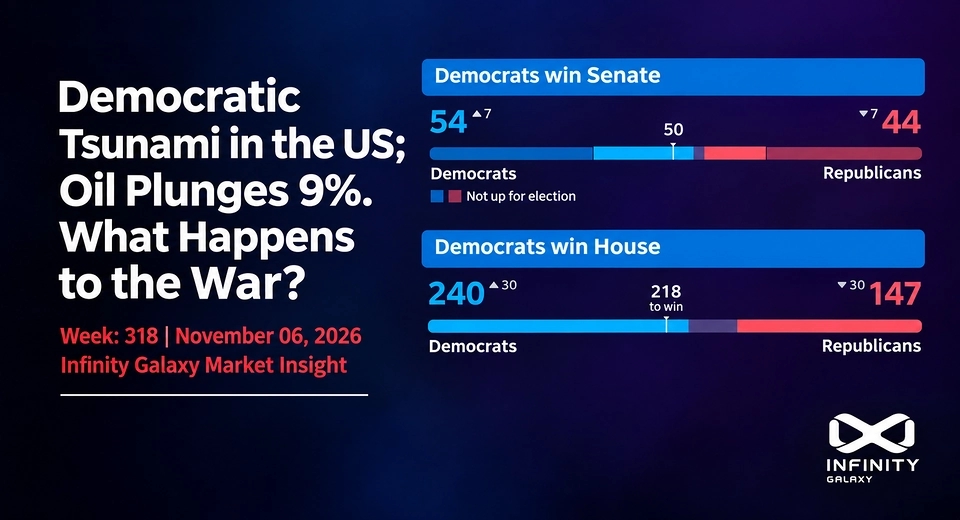
Weekly Bitumen Report: Democratic Tsunami in the US: Oil Plunges 9%. What Happens to the War?
The Democrats' sweeping victory in the November 3 US midterm elections, securing control of both the House of Representatives and the Senate, was the week's most significant political development. After months of war with Iran, the result represents a major political setback for Donald Trump and the Republicans. Rising living costs, pressure from high energy...
Razieh Gilani
Nov 5, 2026

Bitumen
Weekly Bitumen Report: Peace Message from Washington, War Threats Before the US Elections
The final week of October brought a significant development in relations between Iran and the United States. Reports indicated that US Vice President JD Vance had sent a letter to Mohsen Rezaei to explore the possibility of resuming negotiations. Meanwhile, Qatar, supported by Pakistan, proposed a seven-day framework for confidence-building measures and ending the war,...
Razieh Gilani
Oct 29, 2026
Bitumen
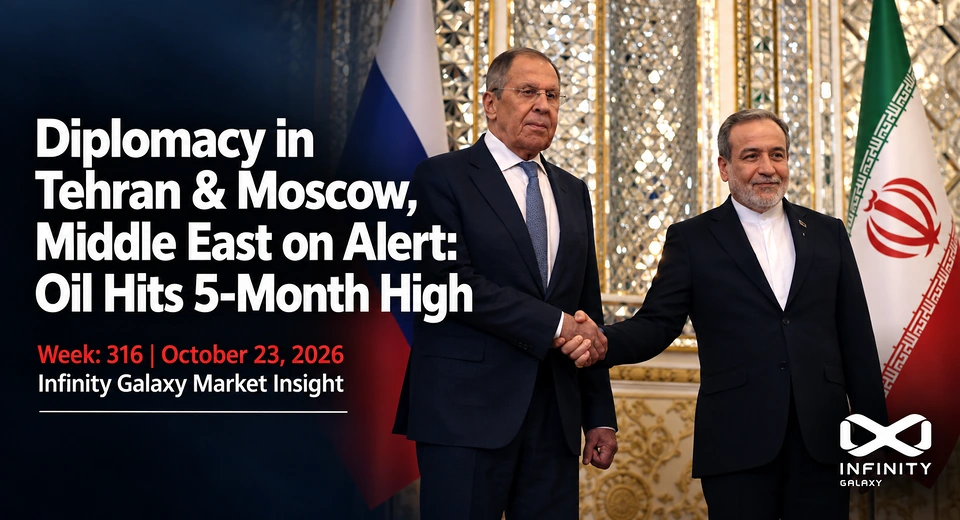
Weekly Bitumen Report: Diplomacy in Tehran and Moscow, Middle East on Alert: Oil Hits High
Diplomacy Amid War: Energy Markets Caught Between Hopes for a Deal and Military Threats During the week ending October 22, the Middle East once again became the center of global political and economic developments. While the US and Israel continued security consultations regarding Iran amid growing concerns over further military strikes, Pakistan and Qatar maintained...
Razieh Gilani
Oct 22, 2026
Bitumen
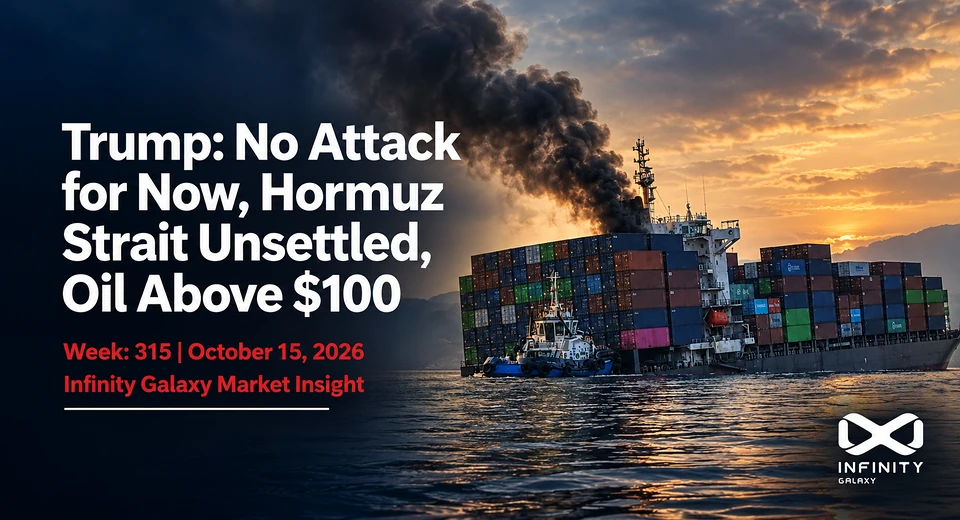
Weekly Bitumen Report: Trump: No Attack for Now, Hormuz Strait Unsettled, Oil Above $100
The Oil Market Between Easing Political Risks and Escalating Maritime Insecurity With Israel’s election on October 27 and the US midterm elections on November 3 approaching at the same time, the market has entered a short but highly sensitive political window. On October 14, Netanyahu said he did not support a pre-emptive attack on Iran...
Razieh Gilani
Oct 15, 2026

Bitumen
Weekly Bitumen Report: This Week, from the Hormuz Strait to the Red Sea Under Pressure; Asian Bitumen Prices Rise by Up to $50/MT
The energy market entered another new phase this week. Yemen’s Houthis intensified their attacks on Saudi Arabia over the past few days, targeting two airports, and on the morning of October 8, the group also claimed responsibility for a missile attack on another airport in Riyadh. At the same time, Saudi Arabia expanded its operations...
Razieh Gilani
Oct 8, 2026

Bitumen
Weekly Bitumen Report: Bitumen in India Jumps by $55; Asian Bitumen Remains Bullish Despite the Decline in Brent
The most important market development this week was no longer political. From October 1, Indian refiners increased VG30 prices by around $48 per metric ton and VG40 by nearly $55 per metric ton. This follows two previous price increases in September and shows how quickly replacement costs are rising in one of the world’s largest...
Razieh Gilani
Oct 1, 2026

Bitumen
Weekly Bitumen Report: Negotiations in New York, Deadlock in the Hormuz Strait: Markets Caught Between Political Hope and Real Shipping Risk
This week, the energy market saw two very different pictures emerging from the Middle East. In New York, the UN General Assembly reopened a path for dialogue between Iran and the United States. Despite the strong tone of his speech, Donald Trump said the two sides were in talks and that he expected an agreement...
Razieh Gilani
Sep 24, 2026
Bitumen
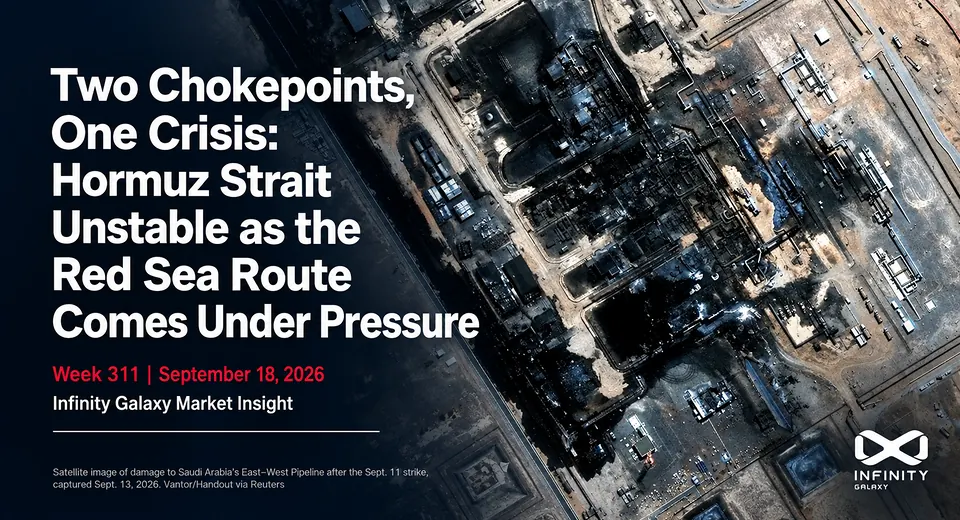
Weekly Bitumen Report: Two Chokepoints, One Crisis: Hormuz Strait Unstable as the Red Sea Route Comes Under Pressure
This week, the Middle East energy crisis entered a new phase in which the problem is no longer limited to passage through the Hormuz Strait. Saudi Arabia’s East-West pipeline, which in recent months had carried a significant share of the country’s crude to the Red Sea port of Yanbu as an alternative to the Hormuz...
Razieh Gilani
Sep 17, 2026
Join our newsletter
Enter your email for weekly bitumen price updates & trends.